HDFC Bank plans to raise up to Rs 15,000 crore through infrastructure bonds. The proceeds could be deployed to finance projects in various infrastructure segments like power and affordable housing.
CRISIL has assigned “AAA” rating to the bonds. The overall rating continues to reflect the bank’s established market position and healthy capitalisation. It is supported by a strong asset quality, comfortable resource profile, and a robust earnings performance, the rating agency said in a statement.
These infrastructure bonds enjoy exemptions from statutory reserve requirements like statutory liquidity ratio (SLR) and priority-sector obligations, and hence are cost-effective for the issuing bank.
HDFC Bank is aiming to expand its wholesale loan book at a time when many large banks are putting the brakes on growing infrastructure and corporate lending, due to capital constraint and exposure limits.
Its term-loan book constitutes about 30 per cent of its corporate banking book, which grew by over 20 per cent to Rs 125,000 crore in 2016-17. The retail advances constituted 52 per cent of total domestic advances as of June 30, 2017.
The bank’s total advances stood at Rs 580,976 crore at June-end, an increase of 23.4 per cent over a year.
The bank will thoroughly look at quality and soundness of financial and credit profile of corporate before deciding to take exposure. It does not have a list of sectors from which it will stay away.
The Mumbai-based lender had total assets of Rs 8,95,653 crore as on June 30. It has an 8 per cent share in the banking system’s advances and six per cent in deposits.
The bank has been expanding its geographical reach over the past few years. The incremental branch expansion has been primarily in semi-urban and rural areas. As on June 30, the bank had 4,727 branches.
Its total capital adequacy ratio, by Basel-III rules, was 15.6 per cent at June-end, against a regulatory requirement of 10.25 per cent, including a capital conservation buffer of 1.25 per cent.
Read this article for free
Register to continue reading premium journalism and analysis from Business Standard.

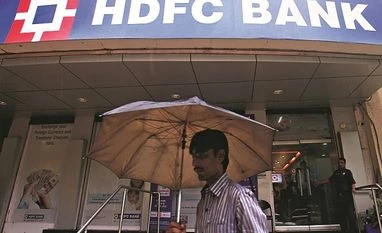 "HDFC Bank plans to raise Rs 15,000 cr via infra bonds")












 Connect with us on WhatsApp