Initial minimum capital of Rs 500 cr is quite reasonable: Sanjiv Bhasin
Interview with General Manager & CEO, India, DBS Bank
Somasroy Chakraborty Kolkata Singapore’s DBS Bank forayed into India in 1994.
Sanjiv Bhasin, general manager and chief executive officer of DBS Bank in India, in an interview with Somasroy Chakraborty, shares his views on the Reserve Bank of India (RBI)’s guidelines on subsidiarisation of foreign banks in the country. Edited excerpts:
What are your views on the guidelines on subsidiarisation of foreign banks in India? In the past, we have stated we supported RBI’s policy on foreign banks’ subsidiarisation. The guidelines released yesterday (on Wednesday) are extremely positive for foreign banks in the country. Currently, we are evaluating these guidelines. We have not yet decided if we will set up a wholly owned subsidiary in India.
Bankers feel before foreign banks decide on creating a subsidiary in India, more clarity is needed on tax exemption and stamp duty relaxation. Do you agree? I believe the central government has addressed some of the concerns relating to tax on capital gains. Stamp duty is a state subject. But before foreign banks choose to set up subsidiaries, clarification on these subjects would be required in more clear terms.
Foreign banks that opt for subsidiarisation will be permitted to carry out mergers and acquisitions with Indian banks. Will the opportunity for inorganic growth encourage you to set up a wholly-owned subsidiary in India? I think some clarity on this front is awaited. Therefore, it will be premature to comment. But if there is an opportunity, we will certainly evaluate it.
Some foreign banks are disappointed RBI did not allow dual licensing (presence through both branch and subsidiary form). Would you have preferred such a model? DBS Bank has a single mode of presence in its home country, Singapore. So, it will be unfair for us to demand dual licensing here.
Do you feel the corporate governance structure prescribed for wholly owned-subsidiaries of foreign banks is stringent and may discourage some banks from creating subsidiaries? I think if an institution has agreed in-principle to set up a subsidiary, the prescribed corporate governance structure will not prevent it from creating a wholly owned subsidiary in India. The prescribed structure is not unique; it is followed in several other jurisdictions. I don’t think it is a big issue.
Many global banks are concentrating on capital conservation. Will foreign lenders be keen to invest Rs 500 crore to set up subsidiaries in India? I believe the requirement of initial minimum capital of Rs 500 crore is quite reasonable. It is not a very high demand. Depending on their balance sheet size and growth aspirations, banks will be willing to invest money in wholly owned subsidiaries.
RBI has set higher priority sector lending targets for wholly owned subsidiaries of foreign banks in India. Do you think these banks will find it difficult to achieve these targets?
The regulator has also said adequate time will be given to foreign banks for achieving these targets. Five years, I believe, is a reasonable time. During this period, foreign banks will have to develop an understanding of the market and use technology effectively to achieve the targets.

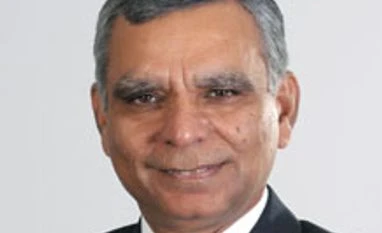 "Initial minimum capital of Rs 500 cr is quite reasonable: Sanjiv Bhasin")


 Connect with us on WhatsApp