Liquidity mop-up from secondary market resumes amid rising bond yields

According to latest data, the RBI has conducted open market operations in the last week of April and in the first week of May
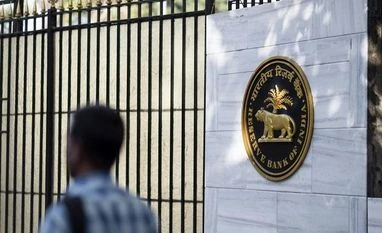
RBI
RBI ( Photo: Bloomberg)
Manojit Saha Mumbai
3 min read Last Updated : May 17 2022 | 6:02 AM IST
Amid rising bond yields and expectation of liquidity infusion measures by the market participants, the Reserve Bank of India (RBI) has started absorbing liquidity from the secondary market, albeit in small amounts.

According to latest data, the RBI has conducted open market operations in the last week of April and in the first week of May. In April, it sold bonds worth Rs 870 crore while during the first week of May it sold Rs 1,700 crore to suck out liquidity. The liquidity absorption from the secondary market through open market operations resumed after a gap – since January.

The central bank, which changed its focus to tackle inflation from supporting growth, in the April review of policy had said excess liquidity from the banking system would be absorbed during a multi-year timeframe.

“We have mentioned a multi-year timeframe after very carefully weighing what would be the economic cost of the withdrawal of liquidity and what would be necessary, keeping in mind, the stance of monetary policy,” RBI Governor Shaktikanta Das had said during the April policy. He added, “multi-year timeframe can be two years… three years.”

“The resumption of secondary market bond sales by the RBI is consistent with the guidance on gradual normalisation of liquidity,” said Suyash Choudhary, head (fixed income), IDFC AMC.

“However, the timing is somewhat surprising on two counts: One, bond yields are sharply higher since early April and this constitutes an avoidable additional concern for participants. Two, one would assume that a more material impact on rupee liquidity may already be underway from RBI’s forex operations lately,” Choudhary said.
In early May, the monetary policy committee met unscheduled and decided to increase the repo rate by 40 bps to 4.4 per cent. This was the first repo rate hike in four years. The RBI also decided to increase the cash reserve ratio by 50 bps to 4.5 per cent, which would suck out Rs 87,000 crore liquidity from the system.

The magnitude of liquidity absorption via OMO from the second market is small so far, as compared to the liquidity surplus in the system, which is around Rs 7 trillion.

Market participants said RBI’s aim may be to bring down the structural liquidity to around Rs 1.5 trillion to Rs 2 trillion. While the amount of liquidity absorption with this particular approach is small, it would have an implication on bond yields. The RBI, however, maintains that the objective of OMOs is to manage liquidity and they do not target any level of yields.

“Given where the yields are, it does not look productive to adopt this approach because eventually it will have a yield implication,” said Ashhish Vaidya, head of treasury and markets, DBS Bank, India.

“In the shorter term I think yields will continue to remain between 7.25% and 7.5 per cent (10-year government bond). Policy is going to become less accommodative. The rates are rising so there is no reason for the yields to come down,” Vaidya said.

The rise in yields will make the government’s borrowing cost higher. The government is planning to borrow a whopping Rs 14.31 trillion in the current fiscal year.

The yields on the 10-year government bond, which closed at 7.32 per cent on Friday, increased 48 bps since early April.

One subscription. Two world-class reads.

Already subscribed? Log in

Subscribe to read the full story →
*Subscribe to Business Standard digital and get complimentary access to The New York Times

Smart Quarterly

₹900

3 Months

₹300/Month

SAVE 25%

Smart Essential

₹2,700

1 Year

₹225/Month

SAVE 46%
*Complimentary New York Times access for the 2nd year will be given after 12 months

Super Saver

₹3,900

2 Years

₹162/Month

Subscribe

Renews automatically, cancel anytime

Here’s what’s included in our digital subscription plans

Exclusive premium stories online

  • Over 30 premium stories daily, handpicked by our editors

Complimentary Access to The New York Times

  • News, Games, Cooking, Audio, Wirecutter & The Athletic

Business Standard Epaper

  • Digital replica of our daily newspaper — with options to read, save, and share

Curated Newsletters

  • Insights on markets, finance, politics, tech, and more delivered to your inbox

Market Analysis & Investment Insights

  • In-depth market analysis & insights with access to The Smart Investor

Archives

  • Repository of articles and publications dating back to 1997

Ad-free Reading

  • Uninterrupted reading experience with no advertisements

Seamless Access Across All Devices

  • Access Business Standard across devices — mobile, tablet, or PC, via web or app

Topics :Reserve Bank of IndiaLiquidityShaktikanta Das

Next Story



