NBFCs may see profit margins squeezing from RBI draft liquidity norms

Instead of providing a much-expected liquidity window to non-bank finance companies via the regular lenders, the central bank took a tougher stance
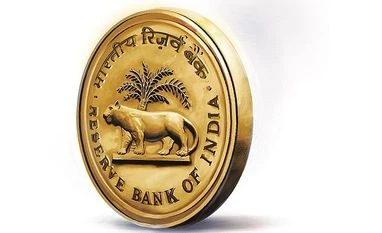
rbi, reserve bank of india
Reserve Bank of India signaled it will tighten liquidity requirements to bring them in line with the country’s more closely regulated commercial banks
Suvashree Ghosh and Shruti Srivastava | Bloomberg
2 min read Last Updated : May 28 2019 | 8:20 AM IST
India’s shadow banks are likely to see a further squeeze on their profit margins after the Reserve Bank of India signaled it will tighten liquidity requirements to bring them in line with the country’s more closely regulated commercial banks.

Instead of providing a much-expected liquidity window to non-bank finance companies via the regular lenders, the central bank took a tougher stance on Friday by issuing draft guidelines requiring most NBFCs to set aside a liquidity buffer by investing in high-quality liquid assets, primarily sovereign bonds.

“The regulator won’t bail out any particular company but will ensure the NBFCs are more disciplined and strong at the cost of some short-term pain,” said Avinash Singh, research analyst at SBICAP Securities, a subsidiary of State Bank of India. If implemented, the draft guidelines could hit the NBFCs’ margins and business growth, Singh added.

India’s shadow lenders have been under pressure since last year, when a series of defaults by Infrastructure Leasing & Financial Services forced the government to intervene and exposed weaknesses in the sector. Since then, the banks and mutual funds which provided funding to the NBFCs have reduced their exposure, creating a cash crunch which caused the shadow lenders to sell assets and restrict new loans.

Average yields on top-rated five-year bonds issued by NBFCs climbed 16 basis points in April, the biggest monthly gain since June 2018.

The government of Narendra Modi, which received a sweeping new mandate in elections last week, is also signaling a tough line with individual shadow lenders, while not ruling out measures to avert a credit crunch.

“Should there be a need to address the contagion we will do everything that is necessary to keep the credit market functional,” said Sanjeev Sanyal, principal economic adviser at the Finance Ministry. “However we have to be aware of the moral hazard of intervening in every disruption. Otherwise, we will end up perpetuating and encouraging asset-liability mismatch,” Sanyal added.

One subscription. Two world-class reads.

Already subscribed? Log in

Subscribe to read the full story →
*Subscribe to Business Standard digital and get complimentary access to The New York Times

Smart Quarterly

₹900

3 Months

₹300/Month

SAVE 25%

Smart Essential

₹2,700

1 Year

₹225/Month

SAVE 46%
*Complimentary New York Times access for the 2nd year will be given after 12 months

Super Saver

₹3,900

2 Years

₹162/Month

Subscribe

Renews automatically, cancel anytime

Here’s what’s included in our digital subscription plans

Exclusive premium stories online

  • Over 30 premium stories daily, handpicked by our editors

Complimentary Access to The New York Times

  • News, Games, Cooking, Audio, Wirecutter & The Athletic

Business Standard Epaper

  • Digital replica of our daily newspaper — with options to read, save, and share

Curated Newsletters

  • Insights on markets, finance, politics, tech, and more delivered to your inbox

Market Analysis & Investment Insights

  • In-depth market analysis & insights with access to The Smart Investor

Archives

  • Repository of articles and publications dating back to 1997

Ad-free Reading

  • Uninterrupted reading experience with no advertisements

Seamless Access Across All Devices

  • Access Business Standard across devices — mobile, tablet, or PC, via web or app

Next Story



