Reserve Bank of India (RBI) Governor Raghuram Rajan on Tuesday signalled a truce with the government over who should decide interest rates and said the idea behind setting up a monetary policy committee was to move away from the current practice of the central bank governor having veto power. "If we continue with the veto, it doesn't change the current situation," Rajan said.
As of now, RBI is the sole authority to fix interest rates and within the central bank, the governor enjoys absolute power in this regard.
"I can reiterate the finance secretary's comment yesterday (on Monday) that the government and the Reserve Bank have reached a broad consensus on what such a committee should look like and what the powers of the governor might be. While the details have to be ironed out, there are no differences between the government and the Reserve Bank in this matter," Rajan said at a post-policy interaction.
According to the governor, a committee approach would reduce the margin of error and the pressure, both external and internal, would be much less for a committee rather than an individual. He said RBI and the government had entered into a broad understanding on the contours and structure of the monetary policy committee that would decide interest rates.
Both the Urjit Patel committee, set up by the central bank, and the Financial Sector Legislative Reforms Commission (set up by the United Progressive Alliance government) had recom-mended a committee-based approach.
Rajan said a committee could represent different viewpoints, adding studies showed typically, its decisions were better than those taken by an individual.
Second, spreading responsibility for such decisions could reduce pressure on an individual, Rajan said.
The constitution of the committee has been a matter of intense debate among market players. While the Urjit Patel committee recommended three of the five members be chosen from the central bank and the two external members be appointed by RBI, the revised draft of the Indian Financial Code recommended a seven-member committee in which the government would appoint four members.
Some former central bankers had expressed concern over the revised draft Indian Financial Code, saying if these proposals were adhered to, the central bank would lose autonomy in setting interest rates.

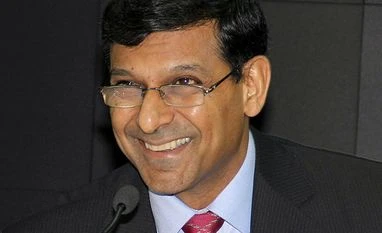 "Rajan favours doing away with RBI guv's veto power on rates")

