RBI devolves bonds in auction, dodges market demand for higher yields

Central bank signals that it is no longer willing to continue with its easy money policy
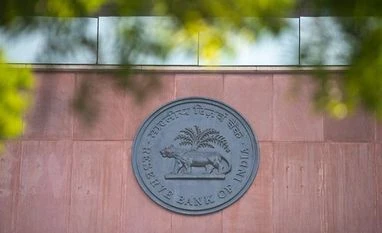
RBI, Reserve Bank of India
Photo: Shutterstock
Anup Roy Mumbai
2 min read Last Updated : Dec 25 2021 | 2:26 AM IST
The RBI forced underwriters of government bond auctions to buy nearly a third of the instruments on sale Friday, as the markets demanded higher yields.

Out of the Rs 24,000 crore bonds on offer in the auction, the central bank devolved, or let the underwriters buy Rs 7267.683 crore. That is about 30 per cent of the total bond auction mainly at the medium-term maturity segment. The last such devolvement had happened on July 30.

“The signal to us was very clear. Don’t be opportunistic,” said a senior bond dealer with a private bank requesting anonymity.  

Bond yields have climbed up steadily as global central banks started sounding hawkish, and the RBI signals that it is no longer willing to continue with its easy money policy.  

It is engaging in short-term variable rate reverse repo auctions (VRRR), and again rolling it over to remove excess liquidity from the system. Even as this is voluntary, the higher rates act as an incentive to banks. On Friday, the central bank again announced a three-day VRRR for Rs 2 trillion. The auction will be held Monday.

The 10-year bond yield closed at 6.4617 per cent on Friday, largely steady from its previous close.

On Friday, the RBI let primary dealers buy Rs 1,697.915 crore of its Rs 2,000 crore auction of a bond maturing in 2023. Similarly, of Rs 6,000 crore planned for the five-year bond, primary dealers had to buy Rs 4,702.684 crore. But the higher tenure bond auctions were allowed to sail through. The Rs 9,000 crore bond maturing in 2035 witnessed devolvement of Rs 867.084 crore, while the entire stock of Rs 7,000 crore in 2051 bond was fully auctioned.  

“As the liquidity is getting removed from the system, the bond market is demanding more yields for short-term bonds. But the RBI signal is that it is there with liquidity and the market should not panic. The devolvement in short-term bonds indicate (sic) that,” said the dealer.

One subscription. Two world-class reads.

Already subscribed? Log in

Subscribe to read the full story →
*Subscribe to Business Standard digital and get complimentary access to The New York Times

Smart Quarterly

₹900

3 Months

₹300/Month

SAVE 25%

Smart Essential

₹2,700

1 Year

₹225/Month

SAVE 46%
*Complimentary New York Times access for the 2nd year will be given after 12 months

Super Saver

₹3,900

2 Years

₹162/Month

Subscribe

Renews automatically, cancel anytime

Here’s what’s included in our digital subscription plans

Exclusive premium stories online

  • Over 30 premium stories daily, handpicked by our editors

Complimentary Access to The New York Times

  • News, Games, Cooking, Audio, Wirecutter & The Athletic

Business Standard Epaper

  • Digital replica of our daily newspaper — with options to read, save, and share

Curated Newsletters

  • Insights on markets, finance, politics, tech, and more delivered to your inbox

Market Analysis & Investment Insights

  • In-depth market analysis & insights with access to The Smart Investor

Archives

  • Repository of articles and publications dating back to 1997

Ad-free Reading

  • Uninterrupted reading experience with no advertisements

Seamless Access Across All Devices

  • Access Business Standard across devices — mobile, tablet, or PC, via web or app

Topics :RBIBonds

Next Story



