RBI may need to slash rates alongside providing fiscal stimulus: Economists

The only way to boost demand may be lowering interest rates to boost consumption, analysts said
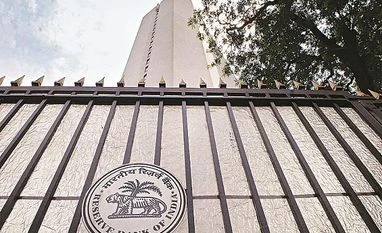
reserve bank of india
The RBI cut interest rates by a sharper-than-expected 75 basis points in late March
Reuters New Delhi
2 min read Last Updated : May 20 2020 | 4:48 PM IST
The government's frugal economic stimulus package has put pressure on the Reserve Bank of India to intervene, as analysts and economists say measures announced so far are unlikely to have any meaningful impact soon.

The government's Rs 20 trillion economic rescue package outlined last week rests largely on boosting company credit for micro, small and medium enterprises (MSMEs), but it had scant new public spending, tax breaks or cash support to revive demand.

"The cumulative government measures will help partly ease the cash squeeze felt by MSMEs in the immediate term to help them bide time, but not fully resolve the current demand shock in the face of the coronavirus," said DBS economist Radhika Rao. "With disinflation set to dominate, the RBI and policy committee will have the headroom to assume a growth-supportive stance."


India went into the coronavirus pandemic amid falling growth and a sharp contraction in demand - both of which have been worsened by the pandemic.

Analysts said consumer demand is expected to be slow to pick up after the nationwide lockdown is lifted, most likely at the end of this month.

A Reuters poll showed the Indian economy is likely to suffer its worst quarter since the mid-1990s in the April-June quarter, shrinking 5.2%.

The only way to boost demand may be lowering interest rates to boost consumption, analysts said.

"Inflation is expected to fall off sharply in coming months towards the 2% range ... Thus the RBI does have room to reduce rates," said Sameer Narang, chief economist at Bank of Baroda.


The RBI cut interest rates by a sharper-than-expected 75 basis points in late March. Markets and economists now expecting at least another 75-100 basis points cuts in the remainder of this fiscal year.

"It remains to be seen how the RBI pushes for aggressive rate transmission, which still is at precariously low levels," analysts at Credit Suisse said in a note.

One subscription. Two world-class reads.

Already subscribed? Log in

Subscribe to read the full story →
*Subscribe to Business Standard digital and get complimentary access to The New York Times

Smart Quarterly

₹900

3 Months

₹300/Month

SAVE 25%

Smart Essential

₹2,700

1 Year

₹225/Month

SAVE 46%
*Complimentary New York Times access for the 2nd year will be given after 12 months

Super Saver

₹3,900

2 Years

₹162/Month

Subscribe

Renews automatically, cancel anytime

Here’s what’s included in our digital subscription plans

Exclusive premium stories online

  • Over 30 premium stories daily, handpicked by our editors

Complimentary Access to The New York Times

  • News, Games, Cooking, Audio, Wirecutter & The Athletic

Business Standard Epaper

  • Digital replica of our daily newspaper — with options to read, save, and share

Curated Newsletters

  • Insights on markets, finance, politics, tech, and more delivered to your inbox

Market Analysis & Investment Insights

  • In-depth market analysis & insights with access to The Smart Investor

Archives

  • Repository of articles and publications dating back to 1997

Ad-free Reading

  • Uninterrupted reading experience with no advertisements

Seamless Access Across All Devices

  • Access Business Standard across devices — mobile, tablet, or PC, via web or app

Topics :CoronavirusRBI on repo ratesrepo rateRBI's monetary policyFiscal stimulusEconomic stimulus

Next Story



