RBI prods Indian civic bodies to issue municipal bonds for funding

India's local city governments must consider issuing municipal bonds to meet their funding requirements as the demand to ramp-up infrastructure in the Asia's third-largest economy grows

RBI
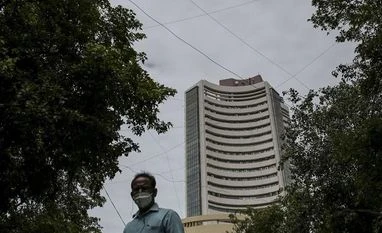
Photo: Bloomberg
Divya Patil | Bloomberg
2 min read Last Updated : Nov 11 2022 | 4:12 PM IST
India’s local city governments must consider issuing municipal bonds to meet their funding requirements as the demand to ramp-up infrastructure in the Asia’s third-largest economy grows, according to the nation’s central bank.
The challenge for these civic bodies, many of whom are financially weak, is to ease the resource crunch, the Reserve Bank of India said in its first report on municipal finances. “A vibrant sub-sovereign debt market catering to a robust investor appetite for municipal bonds can provide an avenue for these entities to access public funds.”

Local bodies in India are among the weakest globally as they don’t have enough autonomy to levy taxes, grant exemptions or even borrow funds, making them dependent on bank loans or federal and state governments for resources. 

While the federal government plans to borrow a record 14.3 trillion rupees ($177 billion) -- about a third of its expenditure -- this year, fund-raising through bond sales is less than 10% of municipals’ total borrowings, the report added.

The central bank suggested levying a tax on residents to pay bondholders, back the notes by earnings from a particular project or use a hybrid mechanism where revenues are used to service the debt. It also suggested pooled financing, where a common bond is issued by several municipal bodies to keep costs in check.

Some pick up in municipal bond issuance was seen a few years ago as Prime Minister Narendra Modi implemented various government programs aimed at building smart cities to upgrade water, sewer and drainage infrastructure. But it petered out gradually as there are challenges around transparency and governance of local bodies.

Credit rating too can play a vital role in attracting new investors by providing independent and credible assessment of the risk and prompt municipal bodies to undergo reforms, the RBI said. Listing of municipal bonds on stock exchanges can also boost trading in such debt and in turn develop the secondary market, it added. 

One subscription. Two world-class reads.

Already subscribed? Log in

Subscribe to read the full story →
*Subscribe to Business Standard digital and get complimentary access to The New York Times

Smart Quarterly

₹900

3 Months

₹300/Month

SAVE 25%

Smart Essential

₹2,700

1 Year

₹225/Month

SAVE 46%
*Complimentary New York Times access for the 2nd year will be given after 12 months

Super Saver

₹3,900

2 Years

₹162/Month

Subscribe

Renews automatically, cancel anytime

Here’s what’s included in our digital subscription plans

Exclusive premium stories online

  • Over 30 premium stories daily, handpicked by our editors

Complimentary Access to The New York Times

  • News, Games, Cooking, Audio, Wirecutter & The Athletic

Business Standard Epaper

  • Digital replica of our daily newspaper — with options to read, save, and share

Curated Newsletters

  • Insights on markets, finance, politics, tech, and more delivered to your inbox

Market Analysis & Investment Insights

  • In-depth market analysis & insights with access to The Smart Investor

Archives

  • Repository of articles and publications dating back to 1997

Ad-free Reading

  • Uninterrupted reading experience with no advertisements

Seamless Access Across All Devices

  • Access Business Standard across devices — mobile, tablet, or PC, via web or app

Topics :Reserve Bank of IndiaRBIIndiaMunicipal bondsCivic pollsfundingscredit ratingCities credit ratingRBI PolicyRBI vs GovernmentState of Indian economy

Next Story




