RBI's curb on current account use may hit private banks in the short term

Move can also bring a huge change in the way business is done in India, where firms use multiple current accounts, often for even individual projects, making them difficult to monitor
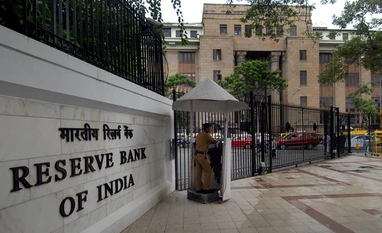
RBI
According to a senior public sector banker, there are also cases where a company can have more than 100 current accounts through its subsidiaries. These are very difficult to follow.
Anup Roy Mumbai
4 min read Last Updated : Aug 11 2020 | 11:36 AM IST
The Reserve Bank of India’s (RBI) recent move to restrict indiscriminate use of multiple current and cash credit accounts will likely make it quite difficult for private and foreign banks to compete with public sector peers in mobilising low cost deposits.

Besides, it can also bring a generational change in how businesses are conducted in India, where companies use multiple current accounts, often for even individual projects, which are very difficult to monitor on a granular level. say bankers and analysts.

As part of its monetary policy on August 6, the central bank said no bank can open current account for a customer who has availed cash credit or overdraft facility from others in the banking system, and from now onwards, all transactions will now have to be routed through the cash credit, or overdraft account.

The RBI said banks should not route withdrawal from term loans through current accounts. Instead, the funds should be remitted directly to the supplier of goods and services. Expenses incurred by the borrower for day to day operations should be routed through CC/OD account, if the borrower has one, otherwise current account can be opened.

For new current accounts, borrowers with over Rs 50 crore exposure from the banking system need to have escrow mechanism and only the banking managing such escrow can open current accounts. For companies with less than Rs 50 crore exposure to the banking system will have no restriction in opening current accounts.

What RBI’s guidelines essentially mean is that now companies cannot just take cash facility from a bank and open current account facility with someone who gives the customer a better facility or offer. The customer will now have to necessarily do the business with the same bank that has given the company cash credit or overdraft facility.


According to a senior public sector banker, there are also cases where a company can have more than 100 current accounts through its subsidiaries. These are very difficult to follow.

The guidelines should be able to bring more discipline in the banking system and ensure that borrowers “don’t round-trip the system and hide their financial or operational condition from the lenders,” said Nitin Aggarwal, banking analyst at Motilal Oswal Securities.


Interestingly, while the impact of the guidelines will be felt differently among banks, even private banks had been asking the RBI to implement such a move.

“The customers generally availed cash management and collection and other services with private banks while lending relationship will be with PSU banks and now private banks will have to find ways to mitigate the impact arising from this revised guideline,” Aggarwal said, adding, some private banks could take more part in lending to such customers and thus assume bigger role in the relationship over time as well.

“In our view, these measures appear to be part of RBI’s efforts to bring in better checks and balances in the working capital management, drawing from learnings of fraud cases involving the use of current accounts to divert funds. We expect frontline banks to gain share in current accounts,” wrote Kotak Institutional Equities in a report.

Newer banks will find it difficult to garner current account facilities under the new guidelines, Kotak Institutional Equities noted.

An interesting point here is that till the early 1980s, companies were not allowed to open multiple accounts, but from mid-80s and in early 90s, RBI opened up and let companies open multiple accounts, including separate accounts even for projects. That system seemed to have been misused, and the RBI’s measures can help plug that to a great extent, analysts say.

One subscription. Two world-class reads.

Already subscribed? Log in

Subscribe to read the full story →
*Subscribe to Business Standard digital and get complimentary access to The New York Times

Smart Quarterly

₹900

3 Months

₹300/Month

SAVE 25%

Smart Essential

₹2,700

1 Year

₹225/Month

SAVE 46%
*Complimentary New York Times access for the 2nd year will be given after 12 months

Super Saver

₹3,900

2 Years

₹162/Month

Subscribe

Renews automatically, cancel anytime

Here’s what’s included in our digital subscription plans

Exclusive premium stories online

  • Over 30 premium stories daily, handpicked by our editors

Complimentary Access to The New York Times

  • News, Games, Cooking, Audio, Wirecutter & The Athletic

Business Standard Epaper

  • Digital replica of our daily newspaper — with options to read, save, and share

Curated Newsletters

  • Insights on markets, finance, politics, tech, and more delivered to your inbox

Market Analysis & Investment Insights

  • In-depth market analysis & insights with access to The Smart Investor

Archives

  • Repository of articles and publications dating back to 1997

Ad-free Reading

  • Uninterrupted reading experience with no advertisements

Seamless Access Across All Devices

  • Access Business Standard across devices — mobile, tablet, or PC, via web or app

Topics :Reserve Bank of IndiaPrivate bankspublic sector banks

Next Story




