We already have a platform ready for banking: George Alexander Muthoot
Interview with MD, Muthoot Group
Neelasri Barman Mumbai The Muthoot Group, with businesses across diverse sectors, has set its eyes on a new banking licence, believing it is well suited for transforming Muthoot Finance, the country’s largest gold loan company, into a bank. The group’s managing director,
George Alexander Muthoot, shares his plans with Neelasri Barman. Edited excerpts:
The Reserve Bank of India (RBI) has capped the loan-to-value (LTV) ratio for advances against gold jewellery at 60 per cent and standardised the valuation of the collateral. How much did this impact you? Yes, it did impact us. Some of our customers are (now) going to traditional money lenders. We had, with much difficulty, brought them into the organised sector from the unorganised one. Some of them might even go to banks, since the latter don’t have this LTV cap. Being the regulator, we don’t argue with them (RBI). We are waiting for them to probably take a second look at it. We also make requests to them on this; it is for them to decide. The hit we have taken as of date is not major. But if it continues, it can be substantial. We might have lost a little less than 10 per cent of our customers due to this.
Besides, there are now stringent KYC (know your customer) norms. Did you lose customers because of that? Most of these things even we do. The regulations are for the entire spectrum of people and not Muthoot alone. These are good practices, strengthening the sector. In the short term, some pain may be there but in the long term, it will be positive for the sector. In the short term, we may lose some customers to money lenders.
Did you increase the frequency of gold auctions due to fall in gold prices in the recent past? Gold prices fell 35 per cent in the international market. But in the India market, it has been only 11 per cent. We auction the gold only after 18 months, if a loan hasn’t been repaid. Yes, gold auctions have risen from 0.5 per cent of total advances to one per cent.
Has the competition increased, with many banks venturing aggressively into this business? Outside South India, the concept of organised gold loans is not there. In the past 10 years, we have spent crores of rupees in advertising the concept of gold (as collateral for a loan). It has benefited us, and other non-banking finance firms; it is also benefiting banks. Since more banks are getting into this business, the respectability of taking a gold loan has increased. This is a positive side. The negative side is that any new player coming in will certainly take some of our share. We have a gold loan portfolio of about Rs 25,000 crore. We continue to be the largest. For us, new markets for gold loans are also emerging. In the next two quarters, we expect this portfolio of ours to be flat, since the total economic activity is also taking a hit. After that, probably, things should improve.
What are your fund raising plans in the current financial year? Next Monday, we are coming with a public issue of non-convertible debentures (NCDs). This will be for working capital. The tenure of the debentures vary from one to six years. The coupon rate varies from 10.50 per cent to 12 per cent. This year, including this issue, we would have raised about Rs 1,000 crore through NCDs. Currently, since there is not much growth in assets, we do not need too much of funds. But we might do two more NCD issues in the current financial year.
You have applied for a bank licence. Have you appointed a consultant for the ground work?
We do not need a consultant. We feel we are well suited for transforming Muthoot Finance into a bank. We are the largest in the gold finance business. The next level should be a bank. If it is a bank, the liability options will be much more. My cost of funds can come down. Then, even my lending cost will come down and the people whom I serve currently will get the benefit of loans at lower costs.
The average lending rate is currently 19.2 per cent. Currently, my average cost of funds is 12.5-13 per cent. We already have a platform ready for banking. This includes IT, treasury management, risk management, personnel and branches with large reach. We are doing financial inclusion work, the key word for new banking licences. We may just have to tweak a few things for the banking business.
What is the progress you have made in your plans to set up white-label ATMs?
We only need to get the last sanction from RBI and then will start rolling out white-label ATMs in our branches and other strategic places. It gels with our business. The approval may come this year itself.

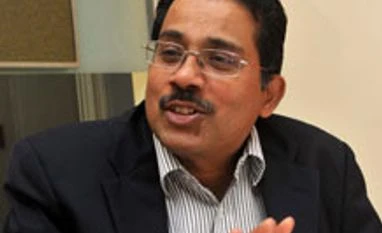 "We already have a platform ready for banking: George Alexander Muthoot")


 Connect with us on WhatsApp