
69% decline in wildlife populations worldwide since 1970: WWF report
Wildlife populations monitored across the globe have declined by a massive 69 per cent between 1970 and 2018, according to the WWF's Living Planet Report (LPR) 2022
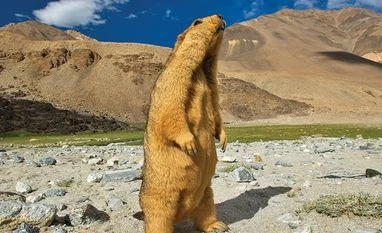 "69% decline in wildlife populations worldwide since 1970: WWF report")
WebinarsNew
Deep DiveNew
Explore Business Standard
Wildlife populations monitored across the globe have declined by a massive 69 per cent between 1970 and 2018, according to the WWF's Living Planet Report (LPR) 2022
Wildlife populations monitored across the globe have declined by a massive 69 per cent between 1970 and 2018, according to the WWF's Living Planet Report (LPR) 2022.
Featuring almost 32,000 populations of 5,230 species, the Living Planet Index (LPI) provided in the report shows it is within tropical regions that monitored vertebrate wildlife populations are plummeting at a staggering rate.
"Latin America and the Caribbean regions have seen the largest decline of monitored wildlife populations globally -- an average decline of 94 per cent during the period," the report said.
Wildlife populations have dipped by 66 per cent in Africa and 55 per cent in Asia Pacific. Freshwater populations have declined by 83 per cent on average compared to other species groups, according to the report.
The IUCN Red List shows cycads are the most threatened species, while corals are declining the fastest, followed by amphibians.
Habitat loss and barriers to migration routes are responsible for about half of the threats to monitored migratory fish species, the WWF said.
The report said the main drivers of wildlife population decline are habitat degradation and loss, exploitation, introduction of invasive species, pollution, climate change and disease.
Marco Lambertini, Director General of WWF International, said: "We face the double emergencies of human-induced climate change and biodiversity loss, threatening the well-being of current and future generations.
"WWF is extremely worried by this new data showing a devastating fall in wildlife populations, in particular in tropical regions that are home to some of the most biodiverse landscapes in the world.
(Only the headline and picture of this report may have been reworked by the Business Standard staff; the rest of the content is auto-generated from a syndicated feed.)
First Published: Oct 13 2022 | 7:42 AM IST

