
All you need to know about Brexit divorce bill
EU wants agreement on how the exit bill will be calculated before talking about other aspects
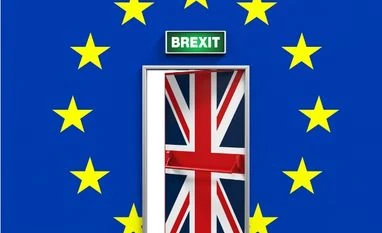 "All you need to know about Brexit divorce bill")
WebinarsNew
Deep DiveNew
Explore Business Standard
EU wants agreement on how the exit bill will be calculated before talking about other aspects
The European Union (EU) says Britain should pay a financial settlement, or divorce bill, to leave the bloc because it has financial obligations it undertook while still a member.
The EU wants agreement on how the exit bill — to be paid in euros — will be calculated before talks can move on to the future UK-EU relationship. The actual figure is not expected to be finalised until the end of negotiations.
What are the components of the bill?
The EU wants Britain to pay a fixed percentage of the EU's outstanding obligations on the day it leaves, due to be March 29, 2019.
It says Britain's budget obligations include:
* It also wants Britain to pay costs associated with ending its membership of EU institutions and funds, including the European Investment Bank, European Central Bank and European Development Fund.
* Other commitments the EU wants Britain to honour include the funding of British teachers seconded to European schools until 2021, and the cost of obligations undertaken by bodies such as the European Defence Agency, before it leaves the bloc.
How much could the EU BILL be?
European Commission President Jean-Claude Juncker has said Britain may have to pay some 60 billion euros ($70 billion) on departure, while some experts have estimated the up-front cost, before later refunds, could be nearly double that.
What has Britain said?
Britain has not set out how it believes any exit bill should be calculated or how much it would be prepared to pay.
Earlier this month the Sunday Telegraph reported Britain would be willing to pay up to 40 billion euros, but Prime Minister Theresa May's spokesman said the government did not recognise that figure.
Brexit minister David Davis has said Britain will meet its responsibilities, but has challenged the idea that it might have to pay tens of billions of euros to the EU.
Davis said there would not be an agreed figure on the financial settlement by October, the deadline the EU has given for making significant progress on the divorce issues before talks can move on to Britain's future EU relationship.
"We're going to talk it through very, very carefully, so at this stage we're not going to commit," he said, adding that EU chief negotiator Michel Barnier is getting impatient.
"We're going to have a long haggle ... Michel is getting quite cross with us. He's saying 'You should make your proposal'."
Foreign Secretary Boris Johnson has said the sums of money that had been proposed were "extortionate".
Does Britain have to pay?
May has said Britain could walk away from Brexit negotiations without a deal if it believes that is a better option than the arrangement on offer.
Earlier this year, a committee of members of Britain's upper house of parliament said that Britain would not be legally obliged to make any financial contribution to the bloc if it were to leave the EU without a deal.
First Published: Aug 15 2017 | 7:58 PM IST


 Connect with us on WhatsApp