For Kabul's expatriate crowd, a visit to a restaurant in the Afghan capital's well-guarded diplomatic area was one of the few attractions of living in the war-ravaged nation.
Not any more.
Last week, a suicide attack by Taliban insurgents at a popular Lebanese restaurant killed 21 people, including 13 foreigners, among them the IMF's chief representative in Afghanistan and three United Nations workers. It was the deadliest attack on foreign civilians since Afghanistan's civil war began in 2001.
Major international organisations have placed Kabul's restaurants out of bounds for their staff, possibly making it a turning point for the few thousand diplomats, aid workers and journalists living there.
Even before the strike, there were doubts about the future of international organisations in Afghanistan as concern mounted that with the withdrawal of most foreign troops this year, the security environment would only get worse.
"We've had tragedies before. But when it happens at this time, you've got organisations thinking about their liability and exposure, I wonder what the ripple effects of this one are going to be," said a senior NATO official, who asked not to be named because he is not authorised to speak to the media.
On Friday night, the busiest night of the week, a Taliban militant set off explosives on his person outside the Taverna du Liban restaurant, and two others rushed in behind with automatic rifles, spraying diners with bullets.
The attack is likely to quicken the exodus of foreigners from Afghanistan, but it remains to be seen how deep the impact will be on development projects and aid.
The government relies on aid for roughly three-quarters of its budget and its army is almost entirely dependent on foreign money. Donors have pledged more than $16 billion over four years in future aid through to 2016.
"What would impact operations ... is if internationals become a target because of the publicity that's been generated," said a senior UN official. "That would affect aid delivery."
Adding to anxiety, President Hamid Karzai has refused to sign a bilateral deal with the United States that would allow some US forces to remain after 2014. Washington is threatening to pull all of its troops out, leaving Afghanistan's fledging army to fight the Taliban alone.
Major international organisations clamped strict curbs on their staff this week, banning most from non-essential travel and the use of private guesthouses, including those with armed guards. Restaurants were out of bounds until further notice.
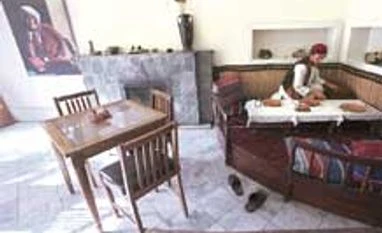
The Sufi Restaurant, another popular Kabul dining spot among expatriates, now sits silent and almost deserted.
"I wanted to show pure Afghan culture and pure Afghan food to foreigners," said owner Mohammad Azim Popal. "After this incident, neither foreigners nor locals have come to the restaurant."
A divide between expats and Afghans At Finest supermarket, long a draw for expatriates even though it has been bombed in the past, guards at the door were thrown into panic on Monday at the arrival of journalists with cameras, fearing they might contain hidden explosives.
The Gandamack Lodge - a restaurant and hotel that is legendary among foreigners in Kabul - was deserted at lunchtime. Staff refused to speak to journalists and the owner did not respond to a request for an interview.
A single defiant customer turned up at Sufi Restaurant in the early afternoon and ordered a cup of tea.
"I believe if you are afraid in this country, you should leave ... personally, I am not making any changes," said the customer, Simran Kaur Lohnes, a 42-year-old German who co-founded Afghan Opportunity Business Services, a for-profit organisation that advises firms on tax, legal and other matters.
But Lohnes was gloomy about the future, predicting insurgents would step up attacks ahead of a presidential election in April, potentially giving incumbent Karzai an excuse to keep his grip on power.
"If the current establishment can claim for example that there is not enough security ... that might be a reason to simply cancel the elections or postpone them indefinitely," she said.
Lohnes also said the attack would create a further wedge between foreigners and Afghans because international organisations in the city have forbidden all but essential travel between the high-security compounds in which most expatriates live and their offices.
"It keeps the foreigners away from the country they should be getting involved with very intimately ... All these things increase this fence and make it more difficult to interact."

 "At a popular Kabul restaurant, the front lines of Afghanistan's war")

