China eases curbs in major shift in 'zero Covid' policy to quell discontent

New measures include accelerating vaccination among the elderly and forbidding local officials to designate large areas, like entire housing compounds, as high-risk
china economy, china covid, china lockdown
Photo: Bloomberg
Bloomberg News
2 min read Last Updated : Dec 07 2022 | 11:42 AM IST
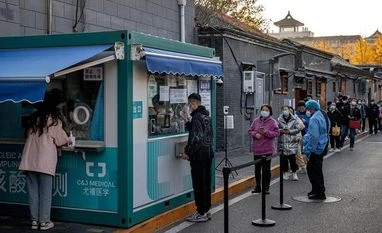
China eased a range of Covid restrictions Wednesday, including allowing some people to quarantine at home rather than in centralized camps and scrapping test requirements to enter most public venues, in a sharp change in national strategy to quell public discontent and fire up the economy again. 
 
The 10 new measures include accelerating vaccination among the elderly and forbidding local officials to designate large areas, like entire housing compounds, as high-risk. 

Bloomberg News reported earlier that changes were imminent. 

The new list of 10 adds to a first round of easing a month ago in the form of 20 measures to refine Covid control, and the pace at which the relaxations are being rolled out reflect the mounting pressure on President Xi Jinping to chart a path out of the crisis. Covid Zero, which includes widespread testing and sweeping lockdowns, has been championed by the government throughout the pandemic, but it has left China isolated and caused widespread misery and economic hardship. 

Expectations of a loosening of China’s rigid Covid regime spurred the strongest monthly rally in Hong Kong-listed Chinese stocks in nearly two decades in November. Shares of the country’s three main airlines — Air China Ltd., China Eastern Airlines Corp. and China Southern Airlines Co. — all surged more than 10% in Hong Kong on Wednesday after the news.

The switch to home isolation was first pioneered in Beijing after quarantine facilities ran out of space when infections surged. Rapidly expanding the rule nationwide marks a major shift in China’s approach and could shift public perception of the virus from a serious health threat to a more commonplace illness, potentially paving the way for the country to rejoin the rest of the world in living with Covid. 

State propaganda had painted Covid as fearsome and Western countries’ acceptance of it as a moral failing. But as other places moved past the pandemic, a growing number of people started questioning why they were stuck with China’s approach, raising pressure on the authorities. Protests eventually spilled into streets in cities around the country, with some demonstrators calling for Xi to step down — incredibly rare scenes of public unrest in the world’s most populous nation.  

One subscription. Two world-class reads.

Already subscribed? Log in

Subscribe to read the full story →
*Subscribe to Business Standard digital and get complimentary access to The New York Times

Smart Quarterly

₹900

3 Months

₹300/Month

SAVE 25%

Smart Essential

₹2,700

1 Year

₹225/Month

SAVE 46%
*Complimentary New York Times access for the 2nd year will be given after 12 months

Super Saver

₹3,900

2 Years

₹162/Month

Subscribe

Renews automatically, cancel anytime

Here’s what’s included in our digital subscription plans

Exclusive premium stories online

  • Over 30 premium stories daily, handpicked by our editors

Complimentary Access to The New York Times

  • News, Games, Cooking, Audio, Wirecutter & The Athletic

Business Standard Epaper

  • Digital replica of our daily newspaper — with options to read, save, and share

Curated Newsletters

  • Insights on markets, finance, politics, tech, and more delivered to your inbox

Market Analysis & Investment Insights

  • In-depth market analysis & insights with access to The Smart Investor

Archives

  • Repository of articles and publications dating back to 1997

Ad-free Reading

  • Uninterrupted reading experience with no advertisements

Seamless Access Across All Devices

  • Access Business Standard across devices — mobile, tablet, or PC, via web or app

Topics :CoronavirusChinaChina economyXi Jinping

Next Story



