China greenlights Audi-FAW's $3.3 billion electric vehicle venture

The plant will start production in December 2024 and have the capacity to manufacture 150,000 cars a year, according to the regulator
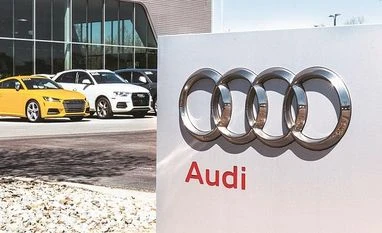
Audi India sales on reverse gear, down 18% to 6,463 units in 2018
Audi also plans to make vehicles with Shanghai-based automaker SAIC Motor.
Reuters
2 min read Last Updated : Feb 15 2022 | 12:41 PM IST
Volkswagen's Audi and its Chinese state-owned partner FAW Group have received approval from Chinese authorities to start construction on their $3.3 billion electric vehicle joint venture plant, according to a government notice.

The planning regulator of China's northeastern province of Jilin said work on the plant, which will be based in the provincial capital of Changchun city, is planned to start in April and that the companies will invest a total of 20.93 billion yuan ($3.29 billion) in the plant.

The plant will start production in December 2024 and have the capacity to manufacture 150,000 cars a year, according to the regulator. Its statement also showed the approval was given on Feb. 11, and that the venture plans to produce three electric models, including Audi's e-tron SUV.

"The Audi FAW NEV project is an important cornerstone of Audi's electrification strategy in China," a Volkswagen spokesperson said, confirming the approval.

"We are consequently pushing forward the relevant works in this project. The construction of the plant is planned to start in the second quarter of 2022."

FAW did not immediately respond to requests for comment on Tuesday.

Audi, Volkswagen's premium automaker, signed a memorandum of understanding with FAW in October 2020 to jointly produce premium electric vehicles (EVs) in China, the world's largest car market.

In November, Audi said the plant was behind schedule due to a delay in approval by the relevant authorities.

The German car maker has a longstanding partnership with FAW to make combustion engine cars in Changchun and the southern city of Foshan.

Audi also plans to make vehicles with Shanghai-based automaker SAIC Motor, with a goal for electrified vehicles to account for a third of Chinese sales by 2025.


(Reporting by Brenda Goh; Editing by Tom Hogue and Muralikumar Anantharaman)

One subscription. Two world-class reads.

Already subscribed? Log in

Subscribe to read the full story →
*Subscribe to Business Standard digital and get complimentary access to The New York Times

Smart Quarterly

₹900

3 Months

₹300/Month

SAVE 25%

Smart Essential

₹2,700

1 Year

₹225/Month

SAVE 46%
*Complimentary New York Times access for the 2nd year will be given after 12 months

Super Saver

₹3,900

2 Years

₹162/Month

Subscribe

Renews automatically, cancel anytime

Here’s what’s included in our digital subscription plans

Exclusive premium stories online

  • Over 30 premium stories daily, handpicked by our editors

Complimentary Access to The New York Times

  • News, Games, Cooking, Audio, Wirecutter & The Athletic

Business Standard Epaper

  • Digital replica of our daily newspaper — with options to read, save, and share

Curated Newsletters

  • Insights on markets, finance, politics, tech, and more delivered to your inbox

Market Analysis & Investment Insights

  • In-depth market analysis & insights with access to The Smart Investor

Archives

  • Repository of articles and publications dating back to 1997

Ad-free Reading

  • Uninterrupted reading experience with no advertisements

Seamless Access Across All Devices

  • Access Business Standard across devices — mobile, tablet, or PC, via web or app

Topics :Audi electric vehicleVolkswagenChinaElectric Vehicles

Next Story



