
China targets King of Glory game for deliberately mocking its history
Tencent's new policy restricts players under 12 from playing for more one hour each day
 "China targets King of Glory game for deliberately mocking its history")
premium
WebinarsNew
Deep DiveNew
Explore Business Standard
Tencent's new policy restricts players under 12 from playing for more one hour each day
Chinese Internet giant Tencent startled users — and stockholders — this week when it set new age requirements for several of its online games, including King of Glory.
Tencent’s new policy restricts players under 12 from playing for more one hour each day, and older teens from playing for more than two hours each day. The company has also increased parental controls and improved the game's identity verification system.
The new policy is a response to government concerns about gaming addiction, and comes at significant financial risk for the company — the multi-player battle game has more than 200 million registered players, 20 percent of whom are under 17 years old.
But Chinese Communist Party media and commentators have objections to the game that go beyond its supposedly addictive nature. They are concerned about the game's storyline, which they say “subverts Chinese history.”
A July 3 editorial in the Chinese Communist Party-controlled People’s Daily newspaper called the new policy “inadequate” and called for heavier censorship.
The People Daily's piece in March quoted a history scholar who argued that the game is effectively “cutting off the bloodline” of Chinese culture:
“If we deliberately narrate history in a playful or mocking manner, it is equal to abandoning historical cultural tradition, a cutting off the bloodline of our national culture, which will result in the loss of our cultural direction and goal.”
This critique of historical nihilism has been a major points of ideological contention since 2012. Any historical interpretations and literary works that deviate from the CCP's interpretations are viewed as distortion or subversion of history.
Blogger Jia Zhi Xian suggested that the move signified a shift by Tencent away from a “profit-maximization” corporate governance model to one of social governance, in which the company commits to reflecting the interests of different stakeholders in society. But in a country like China, where people cannot freely express their views, who represents people and society at large?
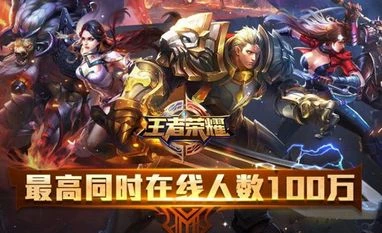
From Tencent's game promotion page.
Already subscribed? Log in
Subscribe to read the full story →

3 Months
₹300/Month
1 Year
₹225/Month
2 Years
₹162/Month
Renews automatically, cancel anytime

Premium stories handpicked daily by our editors


News, Games, Cooking, Audio, Wirecutter & The Athletic
Digital replica of our daily newspaper — with options to read, save, and share


Insights on markets, finance, politics, tech, and more delivered to your inbox
In-depth market analysis & insights with access to The Smart Investor


Repository of articles and publications dating back to 1997
Uninterrupted reading experience with no advertisements


Access Business Standard across devices — mobile, tablet, or PC, via web or app
First Published: Jul 07 2017 | 8:17 AM IST

