Covid-19 crisis: Normal life back likely next winter, says BioNTech CEO

BioNTech co-founder Uğur Şahin told BBC One's The Andrew Marr Show on Sunday: "this winter will be hard and the vaccine will not have a big impact on the infection numbers

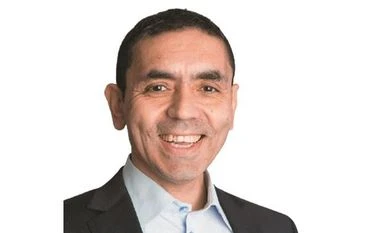
Ugur Sahin, BioNTech co-founder
Agencies Mainz (Germany)
2 min read Last Updated : Nov 16 2020 | 12:39 AM IST
The scientist behind the first potential Covid-19 vaccine to clear interim clinical trials and has been found to be 90 per cent effective said that “if everything continues to go well…we could have a normal winter next year.

BioNTech co-founder UgurSahintold BBC One’s The Andrew Marr Show on Sunday: “this winter will be hard and the vaccine will not have a big impact on the infection numbers. But he said that if everything continues to go well, the goal is to deliver more than 300 million doses of the vaccine before April next year, which could allow us to already start to make an impact.”

He added that “what is absolutely essential is that we get a high vaccination rate before autumn/winter next year ... so all the vaccination and immunisation approaches must be accomplished before next autumn — and I’m confident that this will happen because a number of vaccine companies are helping us to increase the supply — so that we could have a normal winter next year.”

Sahin said the scientists would have a better understanding of the vaccine candidate’s impact in slowing transmission “in a few months” following further analysis of the antibody response in trial participants.

BioNTech and Pfizer confirmed last week that they had completed a deal for the European Commission to purchase up to 300 million doses of their coronavirus vaccine. The companies announced their vaccine was found to be 90 percent effective on Monday.

“As a company founded in the heart of Europe, we are looking forward to supplying millions of people upon regulatory approval,” Sahinwrote in a statement.

On Sunday, Sahinalso said that his company didn’t receive any help from the US government’s Operation Warp Speed, as claimed by President Donald Trump.

“We decided from the very beginning to stay independent,” Sahinsaid, “to ensure that ... we are able to deliver the vaccine to any place on the planet where it is needed. Therefore, we didn’t get direct support from Operation Warp Speed.”

While Pfizer did not accept direct Operation Warp Speed funding for research, the US government promised to purchase $1.95 billion worth of the vaccine through the Warp Speed program if it’s approved, a key guarantee.

In June, BioNTech secured a €100 million loan from the European Investment Bank to increase manufacturing capacity.


One subscription. Two world-class reads.

Already subscribed? Log in

Subscribe to read the full story →
*Subscribe to Business Standard digital and get complimentary access to The New York Times

Smart Quarterly

₹900

3 Months

₹300/Month

SAVE 25%

Smart Essential

₹2,700

1 Year

₹225/Month

SAVE 46%
*Complimentary New York Times access for the 2nd year will be given after 12 months

Super Saver

₹3,900

2 Years

₹162/Month

Subscribe

Renews automatically, cancel anytime

Here’s what’s included in our digital subscription plans

Exclusive premium stories online

  • Over 30 premium stories daily, handpicked by our editors

Complimentary Access to The New York Times

  • News, Games, Cooking, Audio, Wirecutter & The Athletic

Business Standard Epaper

  • Digital replica of our daily newspaper — with options to read, save, and share

Curated Newsletters

  • Insights on markets, finance, politics, tech, and more delivered to your inbox

Market Analysis & Investment Insights

  • In-depth market analysis & insights with access to The Smart Investor

Archives

  • Repository of articles and publications dating back to 1997

Ad-free Reading

  • Uninterrupted reading experience with no advertisements

Seamless Access Across All Devices

  • Access Business Standard across devices — mobile, tablet, or PC, via web or app

Topics :CoronavirusPfizerCoronavirus Vaccine

Next Story




