Elon Musk's broadband-from-space subsidy irks rivals who sought cash

Even before winning a competition for the funds, SpaceX had begun launching satellites. More than 1,000 of the Starlink craft are now aloft, providing service to test subscribers

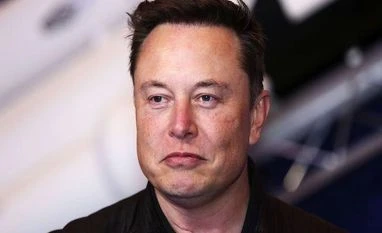
Elon Musk
The company says its system “is uniquely positioned to deliver high-quality broadband se­r­vi­ce to the hardest-to-reach rural Am­­e­ri­c­ans.”
Todd Shields | Bloomberg
2 min read Last Updated : Feb 04 2021 | 9:47 PM IST
The US Federal Communications Commission faces pressure from rural internet service providers to deny a planned $886 million subsidy to Elon Musk’s SpaceX for beaming broadband to underserved areas from space.

Even before winning a competition for the funds, SpaceX had begun launching satellites. More than 1,000 of the Starlink craft are now aloft, providing service to test subscribers. The company says its system “is uniquely positioned to deliver high-quality broadband se­r­vi­ce to the hardest-to-reach rural Am­­e­ri­c­ans.”

But that hasn’t stopped complaints about it winning a competition for subsidies from the FCC’s Rural Digital Opport­unity Fund, in part because the service was being built without the aid and isn’t limited to rural areas. The planned awards to Space Exploration Technologies Corp., as it’s formally known, and to other companies have lawmakers raising questions about the entire $9.2 billion program.

SpaceX’s broadband-from-orbit “is a completely unproven technology,” said Jim Matheson, chief executive officer of the National Rural Electric Cooperative Association, which has members that vied for the funding. “Why use that money for a science experiment?”

Matheson and other critics are planning a press conference Thursday. SpaceX did not respond to emails requesting comment.

The Rural Digital Opportunity Fund is a centrepiece of federal efforts to connect millions of people without home broadband, many of them in thinly populated areas that are costly to serve — a need underscored by the Covid-19 pandemic. The fund is poised to distribute public money to extend broadband in 49 states over 10 years. In December, it announced winning bids at auction for 180 companies and bidding groups, most of which provide broadband over more established technologies, such as cable or wireless service.

One subscription. Two world-class reads.

Already subscribed? Log in

Subscribe to read the full story →
*Subscribe to Business Standard digital and get complimentary access to The New York Times

Smart Quarterly

₹900

3 Months

₹300/Month

SAVE 25%

Smart Essential

₹2,700

1 Year

₹225/Month

SAVE 46%
*Complimentary New York Times access for the 2nd year will be given after 12 months

Super Saver

₹3,900

2 Years

₹162/Month

Subscribe

Renews automatically, cancel anytime

Here’s what’s included in our digital subscription plans

Exclusive premium stories online

  • Over 30 premium stories daily, handpicked by our editors

Complimentary Access to The New York Times

  • News, Games, Cooking, Audio, Wirecutter & The Athletic

Business Standard Epaper

  • Digital replica of our daily newspaper — with options to read, save, and share

Curated Newsletters

  • Insights on markets, finance, politics, tech, and more delivered to your inbox

Market Analysis & Investment Insights

  • In-depth market analysis & insights with access to The Smart Investor

Archives

  • Repository of articles and publications dating back to 1997

Ad-free Reading

  • Uninterrupted reading experience with no advertisements

Seamless Access Across All Devices

  • Access Business Standard across devices — mobile, tablet, or PC, via web or app

Topics :Elon Muskbroadband

Next Story




