EU aims sanctions on 14 wealthy Russians, dozens of lawmakers

The EU is also divided over whether to impose an embargo on Russian oil
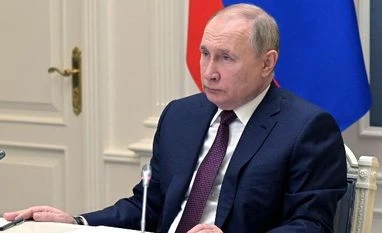
Vladimir Putin
Russian President Vladimir Putin (Photo: Reuters)
Alberto Nardelli, John Follain & Nikos Chrysoloras | Bloomberg
2 min read Last Updated : Mar 09 2022 | 12:46 AM IST
The European Union is set to propose a new round of sanctions that would target a total of 14 individuals, including a number of wealthy Russians and their family members, but will stop short of more far-reaching steps like penalising ports, according to several diplomats.

The latest round of sanctions for Russia’s invasion of Ukraine would also target at least one entity as well as more than 100 members of the upper house of the Russian Parliament, the Federation Council, who have voted in favour of measures backing the war in Ukraine, said the diplomats, who declined to be named discussing confidential preparations. Among other steps, the Federation Council last week approved a law that criminalises the intentional spreading of what Russia deems to be “fake” reporting about the invasion.

The EU is trying to ratchet up pressure but some member nations want to avoid inflicting too much pain on Europe, particularly amid an energy crunch when the continent remains highly reliant on Russian supplies. 

EU officials had also discussed the possibility of banning Russian maritime and land transport, as well as their access to European ports, but Germany had expressed concern that a fuller ban would disrupt trade in items the bloc hasn’t sanctioned, sources said. 

Instead, the bloc is likely to impose measures on several maritime materials, the people said. The EU is also divided over whether to impose an embargo on Russian oil. 

The new penalties need to be approved by EU member states before they take effect and they could change before they are adopted. The steps would add to several earlier rounds of EU sanctions, all of which have been coordinated with the U.S. and the U.K.

Separately, Germany is also resisting efforts to add Sberbank to the list of Russian banks that have been cut off from the SWIFT international payments system, the people said. The bank was excluded from the initial list to shield energy-related transactions from getting hit by sanctions and other measures, but calls to strengthen the penalties have grown as Russia’s attacks on Ukraine have intensified. One of the people said that technical work on Sberbank and SWIFT was ongoing.

One subscription. Two world-class reads.

Already subscribed? Log in

Subscribe to read the full story →
*Subscribe to Business Standard digital and get complimentary access to The New York Times

Smart Quarterly

₹900

3 Months

₹300/Month

SAVE 25%

Smart Essential

₹2,700

1 Year

₹225/Month

SAVE 46%
*Complimentary New York Times access for the 2nd year will be given after 12 months

Super Saver

₹3,900

2 Years

₹162/Month

Subscribe

Renews automatically, cancel anytime

Here’s what’s included in our digital subscription plans

Exclusive premium stories online

  • Over 30 premium stories daily, handpicked by our editors

Complimentary Access to The New York Times

  • News, Games, Cooking, Audio, Wirecutter & The Athletic

Business Standard Epaper

  • Digital replica of our daily newspaper — with options to read, save, and share

Curated Newsletters

  • Insights on markets, finance, politics, tech, and more delivered to your inbox

Market Analysis & Investment Insights

  • In-depth market analysis & insights with access to The Smart Investor

Archives

  • Repository of articles and publications dating back to 1997

Ad-free Reading

  • Uninterrupted reading experience with no advertisements

Seamless Access Across All Devices

  • Access Business Standard across devices — mobile, tablet, or PC, via web or app

Topics :European UnionRussia Ukraine ConflictRussiaRussia Oil production

Next Story



