EU extends sanctions, targets Russian intelligence chiefs
The new measures, designed to put pressure on Moscow and its allies in Ukraine, were announced
APPTI Brussels The European Union has extended its Ukraine-related sanctions to target top Russian intelligence officials and leaders of the pro-Russia revolt in eastern Ukraine, official documents showed.
Among the 15 new people subjected to an EU-wide asset freeze and travel ban were Alexander Bortnikov, head of the Russian Federal Security Service, and Sergei Beseda, head of the FSB department that oversees international operations and intelligence activity. Four members of Russia's Security Council were also included on the EU list.
The new measures, designed to put pressure on Moscow and its allies in Ukraine, were announced in the EU's Official Journal, and took effect immediately. Eighteen organisations or businesses, including rebel formations in Ukraine's east, were added to the trade bloc's sanctions list at the same time.
The action brought the total number of people under EU sanction in connection with Russia's annexation of Crimea and the revolt in eastern Ukraine to 87. Two Crimea-based energy businesses had already had their EU holdings frozen.
Earlier yesterday, EU ambassadors reached a preliminary deal to go even further in sanctioning Russia, targeting its access to European capital markets and trade in the defense sector, dual-use goods and sensitive technologies.
EU spokeswoman Maja Kocijancic said the proposals were transmitted to EU officials to codify into regulations, with the ambassadors scheduled to meet again Tuesday to review the results. She said EU member states must decide whether the measures need to be approved by a summit meeting of the organisation's 28 member countries to go into effect.
On Tuesday, EU foreign ministers ordered the preparation of stepped-up economic sanctions, frustrated over Russia's refusal to heed their demands to help bring about an end to the fighting in Ukraine, and with many Europeans leaders and citizens outraged by the shooting down of a Malaysian jetliner over eastern Ukraine.
In a document prepared for the ambassadors, EU officials suggested restricting Russian state-owned financial institutions' access to European capital markets. Last year alone, the document said, 47 per cent or USD 10.2 billion worth, of all the bonds issued by such institutions came from EU financial markets.

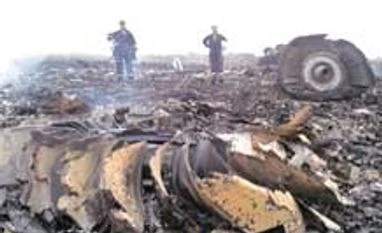 "EU extends sanctions, targets Russian intelligence chiefs")


 Connect with us on WhatsApp