
European Union pressures AstraZeneca to deliver vaccines as promised
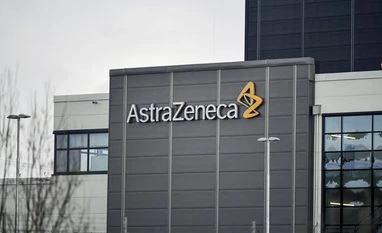
The European Union is pressuring the pharmaceutical company AstraZeneca to deliver more coronavirus vaccine doses to its 27 nations
 "European Union pressures AstraZeneca to deliver vaccines as promised")
WebinarsNew
Deep DiveNew
Explore Business Standard
The European Union is pressuring the pharmaceutical company AstraZeneca to deliver more coronavirus vaccine doses to its 27 nations
The European Union is pressuring the pharmaceutical company AstraZeneca to deliver more coronavirus vaccine doses to its 27 nations and to stick to its initial promises once the jab gets EU approval, especially since the bloc has already invested in enhancing production capacity.
EU Commission President Ursula von der Leyen held urgent talks Monday with company chief Pascal Soriot, and EU nations are also meeting with AstraZeneca to encourage the British-Swedish company to ramp up its vaccine production and meet its contractual targets.
The EU, with the economic and political clout of the biggest trading bloc in the world, is lagging badly behind countries like Israel and Britain in the rollout of vaccines for its most vulnerable population and health care workers. The bloc's leaders have faced strong criticism for moving so slowly.
The European Medicines Agency is scheduled to review the Oxford-AstraZeneca coronavirus vaccine on Friday and its approval is hotly anticipated. The AstraZeneca vaccine is already being used in Britain and has been approved for emergency use by half a dozen countries, including India, Pakistan, Argentina and Mexico.
AstraZeneca's announcement that it will deliver fewer vaccines to the EU early on has only increased pressure on the 27-nation bloc, especially since Pfizer-BioNTech, the first vaccine to get EU approval, failed last week to keep up its promised deliveries to the EU. Pfizer has temporarily reduced vaccine deliveries to the EU and Canada as it revamps its plant in Belgium to increase overall production. Italy has threatened to sue Pfizer for the delays.
The political pressure spurred the EU's executive Commission into action Monday, with von der Leyen's phone call to the AstraZeneca chief.
She made it clear that she expects AstraZeneca to deliver on the contractual arrangements foreseen in the advance purchasing agreement," said her spokesman Eric Mamer.
She reminded Mr. Soriot that the EU has invested significant amounts in the company up front precisely to ensure that production is ramped up even before the conditional market authorization is delivered by the European Medicines Agency." Of course, production issues can appear with the complex vaccine, but we expect the company to find solutions and to exploit all possible flexibilities to deliver swiftly." The delays will be make it harder to meet early targets in EU's goal of vaccinating 70% of its adult population by late summer.
EU Council President Charles Michel said the EU already pounded our fist on the table with Pfizer last week to ensure that the delays end by the end of this week.
The EU has signed six vaccine contracts for more than 2 billion doses, but only the Pfizer-BioNTech and Moderna vaccines have been approved for use so far.
First Published: Jan 25 2021 | 6:53 PM IST

