Federal Reserve expands Main Street programme to smaller companies

Main Street's shortcomings have provided fuel to many critics who charge that the Fed has done more to help Wall Street and large corporations than small businesses during the pandemic

Federal Reserve
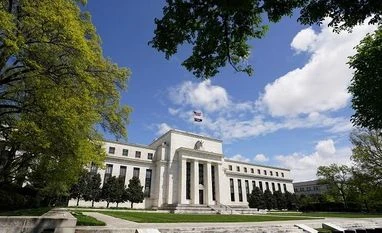
The Federal Reserve building in Washington DC. Photo: Reuters
Agencies
2 min read Last Updated : Oct 30 2020 | 11:12 PM IST
The Federal Reserve will reduce the minimum loan level in a small business lending program and waive some fees to try to boost participation in a program that has so far provided little assistance to struggling companies.

The Fed announced Friday that it will support loans of as low as $100,000 in its Main Street Lending Program, down from an earlier minimum of $250,000. The Main Street program seeks to support small and mid-sized businesses by buying 95% of a loan from participating banks. This is intended to limit the risk to banks and encourage them to lend more.

Yet so far the program has made just 400 loans for a total of $3.7 billion — far below the $600 billion in total funding that the Fed has said it is willing to lend. The Treasury Department has provided $75 billion to backstop any losses.

Main Street's shortcomings have provided fuel to many critics who charge that the Fed has done more to help Wall Street and large corporations than small businesses during the pandemic. Fed Chair Jerome Powell has responded that many small companies, hit hard by the downturn, likely need grants rather than loans. Yet the Fed has only “lending powers,” Powell has said, “not spending powers.”

To encourage banks to make the smaller loans, the Fed will eliminate a 1% transaction fee that it charges banks for loans below $250,000. It will also allow banks to charge borrowers a higher fee, and will double the fee that the Fed pays banks to service the loans to 0.5%, from 0.25%.

And the central bank also said that companies seeking to borrow from the Main Street program may be able to exclude loans of up to $2 million that they have received from the Paycheck Protection Program, the small business lending program that was established by the aid package that Congress enacted in March.

If a borrower has applied for that loan to be forgiven, it can exclude it for the purposes of calculating its outstanding debts. Doing so would allow it to borrow more under Main Street.

One subscription. Two world-class reads.

Already subscribed? Log in

Subscribe to read the full story →
*Subscribe to Business Standard digital and get complimentary access to The New York Times

Smart Quarterly

₹900

3 Months

₹300/Month

SAVE 25%

Smart Essential

₹2,700

1 Year

₹225/Month

SAVE 46%
*Complimentary New York Times access for the 2nd year will be given after 12 months

Super Saver

₹3,900

2 Years

₹162/Month

Subscribe

Renews automatically, cancel anytime

Here’s what’s included in our digital subscription plans

Exclusive premium stories online

  • Over 30 premium stories daily, handpicked by our editors

Complimentary Access to The New York Times

  • News, Games, Cooking, Audio, Wirecutter & The Athletic

Business Standard Epaper

  • Digital replica of our daily newspaper — with options to read, save, and share

Curated Newsletters

  • Insights on markets, finance, politics, tech, and more delivered to your inbox

Market Analysis & Investment Insights

  • In-depth market analysis & insights with access to The Smart Investor

Archives

  • Repository of articles and publications dating back to 1997

Ad-free Reading

  • Uninterrupted reading experience with no advertisements

Seamless Access Across All Devices

  • Access Business Standard across devices — mobile, tablet, or PC, via web or app

Topics :Federal ReserveUS economy

Next Story




