G20 leaders offer few commitments on climate, agree on 1.5 degree target

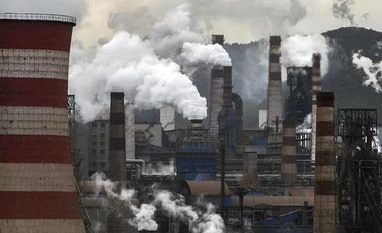
The G20 bloc, which includes Brazil, China, India, Germany and the United States, accounts for an estimated 80% of global greenhouse gas emissions
Climate change
The result of days of tough negotiation among diplomats leaves huge work to be done at a broader United Nations climate summit in Scotland, to where most of the G20 leaders will fly directly from Rome
Gavin Jones and Jan Strupczewski | Reuters Rome
3 min read Last Updated : Oct 31 2021 | 8:27 PM IST
Leaders of the Group of 20 major economies agreed on a final statement on Sunday that urges "meaningful and effective" action to limit global warming at 1.5 degrees Celsius but offers few concrete commitments.

The result of days of tough negotiation among diplomats leaves huge work to be done at a broader United Nations climate summit in Scotland, to where most of the G20 leaders will fly directly from Rome.

The G20 bloc, which includes Brazil, China, India, Germany and the United States, accounts for an estimated 80% of global greenhouse gas emissions.


The final document says current national plans on how to curb emissions will have to be strengthened "if necessary" and makes no specific reference to 2050 as a date to achieve net zero carbon emissions.

"We recognize that the impacts of climate change at 1.5°C are much lower than at 2°C. Keeping 1.5°C within reach will require meaningful and effective actions and commitment by all countries," the communique said.

The 1.5C threshold is what UN experts say must be met to avoid a dramatic acceleration of extreme climate events like droughts, storms and floods, and to reach it they recommend that net zero emissions should be achieved by 2050.


The leaders recognised "the key relevance" of achieving net zero carbon emissions by the middle of this century.

China, the world's biggest carbon emitter, has set a target date of 2060, and other large polluters such as India and Russia have also not committed to the 2050 target date.

U.N. experts say that even if current national plans are fully implemented, the world is headed for global warming of 2.7 degrees, with a catastrophic acceleration of events such as drought, storms and flooding.

The draft includes a pledge to halt financing of overseas coal-fired power generation by the end of this year, but set no date for phasing out coal power, promising to do so "as soon as possible".


They also set no date for phasing out fossil fuel subsidies, saying they will endeavour to do so "over the medium term".

On methane, which has a more potent but less lasting impact than carbon dioxide on global warming, they watered down their wording from a previous draft.


One subscription. Two world-class reads.

Already subscribed? Log in

Subscribe to read the full story →
*Subscribe to Business Standard digital and get complimentary access to The New York Times

Smart Quarterly

₹900

3 Months

₹300/Month

SAVE 25%

Smart Essential

₹2,700

1 Year

₹225/Month

SAVE 46%
*Complimentary New York Times access for the 2nd year will be given after 12 months

Super Saver

₹3,900

2 Years

₹162/Month

Subscribe

Renews automatically, cancel anytime

Here’s what’s included in our digital subscription plans

Exclusive premium stories online

  • Over 30 premium stories daily, handpicked by our editors

Complimentary Access to The New York Times

  • News, Games, Cooking, Audio, Wirecutter & The Athletic

Business Standard Epaper

  • Digital replica of our daily newspaper — with options to read, save, and share

Curated Newsletters

  • Insights on markets, finance, politics, tech, and more delivered to your inbox

Market Analysis & Investment Insights

  • In-depth market analysis & insights with access to The Smart Investor

Archives

  • Repository of articles and publications dating back to 1997

Ad-free Reading

  • Uninterrupted reading experience with no advertisements

Seamless Access Across All Devices

  • Access Business Standard across devices — mobile, tablet, or PC, via web or app

Topics :Climate ChangeG20 nationsgreenhouse gas emissionsUnited Nations

Next Story



