In less than two minutes, the men and boys in Gillette’s new ad engage in a panoply of bad behavior: bullying, fighting, discrimination, sexual harassment and more. A line of them, standing behind smoke wafting up from their grills, recites, “Boys will be boys will be boys will be boys.”
“Is this the best a man can get?” the ad asks, challenging viewers to confront issues like toxic masculinity and #MeToo and to abandon “the same old excuses.” By the end of the clip, men are challenging catcallers, championing their daughters and breaking up brawls.
The company, known for its razors and personal care products, posted the ad on social media on Monday. Within a day, it was the subject of a battle in which support for its message collided with calls for boycotts.
The ad, developed by Gillette’s advertising agency, Grey, was defended and praised by the actress Rosanna Arquette, the comedian Pete Dominick, the screenwriter and director Jeffrey Reddick, Arianna Huffington and others.
But on social media, one man called it “a condescending ad from a company that relies on men buying their products.” Another wrote that “being a man is not a disease nor a pathology,” adding that “it is grotesque to repeatedly ascribe collective guilt onto half of humanity known as men.”
The television personality Piers Morgan railed on Twitter about the ad, calling it “pathetic,” “virtue-signalling” and “a direct consequence of radical feminists” who are “driving a war against masculinity.” He said he had used Gillette razors for his entire adult life but, like the actor James Woods, was considering jumping ship.
On YouTube, the ad has been liked more than 1,700 times. But it received more than 10,000 thumbs down votes.
Gillette said it had commissioned a study of 1,188 adults and found that the results “emphasize the outsized importance of ‘soft’ skills in today’s modern man.”
Soon after Gillette’s ad appeared online, its rival Dollar Shave Club posted a message on Twitter that seemed to welcome new customers. The post was liked more than 4,500 times, compared with a few dozen likes on the company’s other posts.
This is not the first time Procter & Gamble, which owns Gillette, has echoed progressive themes in its marketing.
The company’s Pantene hair products line once ran a “Strong Is Beautiful” campaign, which featured football players from the New Orleans Saints, the Pittsburgh Steelers and the Dallas Cowboys braiding their daughters’ hair. The #LikeAGirl campaign for the Always feminine hygiene products, which encourages girls to face the fear of failure, shows them playing chess, fencing and drumming.
But in taking a position on the idea of toxic masculinity, Gillette and Procter & Gamble could be dealing with a “hot potato,” said Dean Crutchfield, the chief executive of the brand advisory firm Crutchfield & Partners.
“If this is just a quick campaign to get some attention, not something they’re weaving into the fabric of their company going forward, it’s going to blow up in their face,” he said. “This is a huge topic and it’s highly sensitive, and I don’t think P. & G. had done anything as explosive as this could be.”
Other companies have also inserted themselves into discussions about sexuality, race, culture and other contentious issues.
Years ago, Old Spice wanted to convince men that shower gel was masculine while appealing to the women who were actually buying the product. The resulting “Smell like a man, man” campaign is now considered a marketing triumph.
Pepsi’s 2017 ad featuring Kendall Jenner was also memorable, but mainly because of the intense criticism it faced borrowing imagery from the Black Lives Matter movement, watering it down and then using it to sell soda. The company pulled the ad and apologized.
Ram trucks met a similar reception last year when they used a sermon by the Rev. Dr. Martin Luther King Jr. in a Super Bowl ad.
Gillette is a giant in the shaving industry, but its foothold is shrinking as scrappy competitors offering disposable razor subscriptions capture younger consumers. Dollar Shave Club was acquired by Unilever for $1 billion in 2016. Harry’s, another razor purveyor, raised $112 million from investors last year to expand beyond men’s grooming.
Sales for Gillette’s grooming segment slipped 1 percent in its most recent quarter. The brand, which has mistakenly mailed free razors intended for 18-year-old men to middle-aged women, has tried to stay fresh by experimenting with personalized 3-D-printed razor handles and designing blades for sensitive skin.

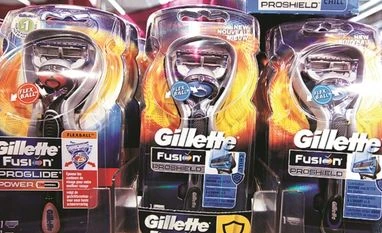 "Gillette's advertisement on toxic masculinity gets both applause, abuse")












 Connect with us on WhatsApp