Global retail banking: A particular breed heading for extinction

When HSBC and Citigroup were expanding, they were offering best-in-class consumer banking. As technology improved, local rivals have overtaken them
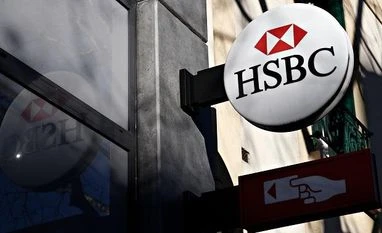
HSBC
For those big lenders still clinging on to their overseas consumer businesses, the pandemic has made retreat inevitable
Elisa Martinuzzi | Bloomberg
3 min read Last Updated : Feb 25 2021 | 12:31 AM IST
Despite a multitude of existential threats, traditional deposit-taking banks with brick-and-mortar branches look set to survive a while longer. But there’s one particular breed of this type of lender that’s headed for extinction: The global retail bank. While some consumers will still fancy popping into their local bank, why would anyone need an international corporation to provide this service?

Since the financial crisis, pressure from regulatory demands and the squeeze on margins from declining interest rates has forced lenders to concentrate on what they excel at — be it commercial, retail or investment banking. For those big lenders still clinging on to their overseas consumer businesses, the pandemic has made retreat inevitable.

HSBC Holdings is going to “stop trying to be everything to everyone,” Chief Executive Officer Noel Quinn said on Tuesday, a familiar refrain in the industry. The UK-Hong Kong bank will explore strategic options for its US retail network and is in talks to sell its French consumer unit, redirecting capital to higher-return businesses in wealth management and Asia.

It’s not alone in reversing a decades-old retail strategy. Citigroup Inc is reportedly considering cutting back its sprawling Asia-Pacific consumer operations. Last year Spain’s Banco Bilbao Vizcaya Argentaria sold most of its US lending business.

Few banks have succeeded in being truly global, especially on the consumer side. Customer habits vary greatly between countries, reducing potential economies of scale. And the cost of misunderstanding local lending risk can be disastrous: HSBC’s US purchase of Household, a subprime loan provider, cost it billions of dollars in writedowns.

The international giants’ original proposition of providing a premium service no longer cuts it. When HSBC and Citigroup were expanding outside their home markets, they were offering best-in-class consumer banking. As technology improved and got cheaper, local rivals have overtaken them. Domestic lenders can now offer decent access to international markets, too.

For customers there’s no glamour now to doing business with an international bank. And for the lenders themselves, being subscale in any market is expensive because you still have to comply with ever-changing regulatory demands for better compliance and risk controls — especially money-laundering checks.

The pandemic has made things worse. Digital banking needs heavy investment and it’s making many branches redundant. Lending income has taken a beaten as interest rates have declined. At HSBC, net interest income in its consumer and wealth management activities dropped 13 per cent in 2020 to about $15 billion. At Citi, revenue in its international consumer operations fell 10 per cent to $10.8 billion.

With no end in sight to the pressure on rates, it makes sense for both firms to pivot toward managing wealth. It’s a way to increase fees to offset the decline in lending income. Wealthy clients often look to spread their money across domestic and international lenders.

Citigroup’s and HSBC’s retail retreats are unlikely to cause much of a stir, or leave consumers worse off. There may be some smaller companies that find it harder to move money around if they’re not taken on by the banks’ corporate banking units. 

The biggest regret may be that Citi and HSBC held out too long. The UK bank said it may have to sell its French business at a loss. Citi is reportedly weighing up whether it would be able to find a willing buyer for each international unit.

The time of global consumer banks is probably over. And with politics and regulation playing a bigger role in the post-pandemic economy, it will be a while before a giant fintech can take their place on the global stage.


One subscription. Two world-class reads.

Already subscribed? Log in

Subscribe to read the full story →
*Subscribe to Business Standard digital and get complimentary access to The New York Times

Smart Quarterly

₹900

3 Months

₹300/Month

SAVE 25%

Smart Essential

₹2,700

1 Year

₹225/Month

SAVE 46%
*Complimentary New York Times access for the 2nd year will be given after 12 months

Super Saver

₹3,900

2 Years

₹162/Month

Subscribe

Renews automatically, cancel anytime

Here’s what’s included in our digital subscription plans

Exclusive premium stories online

  • Over 30 premium stories daily, handpicked by our editors

Complimentary Access to The New York Times

  • News, Games, Cooking, Audio, Wirecutter & The Athletic

Business Standard Epaper

  • Digital replica of our daily newspaper — with options to read, save, and share

Curated Newsletters

  • Insights on markets, finance, politics, tech, and more delivered to your inbox

Market Analysis & Investment Insights

  • In-depth market analysis & insights with access to The Smart Investor

Archives

  • Repository of articles and publications dating back to 1997

Ad-free Reading

  • Uninterrupted reading experience with no advertisements

Seamless Access Across All Devices

  • Access Business Standard across devices — mobile, tablet, or PC, via web or app

Topics :Coronavirusretail bankingHSBCCitigroup

Next Story



