Govts 'not on track' to cap temperatures at below 2 degrees, says UN

The Paris climate agreement set a goal of limiting warming to "well below" a rise of 2°C above pre-industrial times while "pursuing efforts" for the tougher goal of 1.5°C
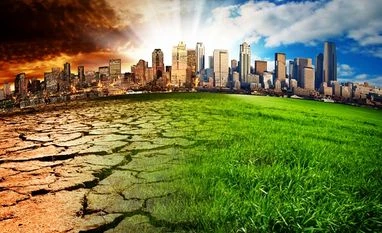
Image: Shutterstock
Image: Shutterstock
Reuters Bangkok
Last Updated : Sep 03 2018 | 2:30 AM IST
Governments are not on track to meet a goal of the 2015 Paris agreement of capping temperatures well below 2°Celsius (3.6 degrees Fahrenheit) before the end of the century, a United Nations official said on Sunday ahead of climate-change talks in Bangkok this week.

Patricia Espinosa, head of the Executive Secretary of the UN Framework Convention on Climate Change (UNFCCC), which steers the climate talks, said both the public and private sector need to act with urgency to avoid “catastrophic effects”.

The Paris climate agreement, adopted by almost 200 nations in 2015, set a goal of limiting warming to “well below” a rise of 2°C above pre-industrial times while “pursuing efforts” for the tougher goal of 1.5°C.

“1.5 is the goal that is needed for many islands and many countries that are particularly vulnerable to avoid catastrophic effects. In many cases it means the survival of those countries. With the pledges we have on the table now we are not on track to achieve those goals,” Espinosa told Reuters in a telephone interview on Sunday in Bangkok.

A Europe-wide heat wave this summer and bush fires in Australia, among other things, should give new impetus to the talks, said Espinosa.

“It really does make the evidence clear that climate change is having an impact on the daily lives of people,” Espinosa said. “I do believe that this will create a bigger sense of urgency.”

The Bangkok talks come ahead of a December meeting in Katowice, Poland, where government ministers will meet to agree rules for the 2015 Paris climate accord.

That accord set a sweeping goal of ending the fossil fuel era this century, but the text was vague on details.

Espinosa said she hopes that a draft text for negotiation on the “rule book” of the 2015 agreement will emerge at the end of the week-long Bangkok talks.

“These draft texts that we hope can emerge from these talks here in Bangkok are something that we need to build on from the talks in Paris 2015.

This is a process that has been ongoing for some time. One of the reasons why this is so complex is because we are talking about... many different areas. 

One of those areas that countries need to take action on is to reduce their emissions,” she said.

One subscription. Two world-class reads.

Already subscribed? Log in

Subscribe to read the full story →
*Subscribe to Business Standard digital and get complimentary access to The New York Times

Smart Quarterly

₹900

3 Months

₹300/Month

SAVE 25%

Smart Essential

₹2,700

1 Year

₹225/Month

SAVE 46%
*Complimentary New York Times access for the 2nd year will be given after 12 months

Super Saver

₹3,900

2 Years

₹162/Month

Subscribe

Renews automatically, cancel anytime

Here’s what’s included in our digital subscription plans

Exclusive premium stories online

  • Over 30 premium stories daily, handpicked by our editors

Complimentary Access to The New York Times

  • News, Games, Cooking, Audio, Wirecutter & The Athletic

Business Standard Epaper

  • Digital replica of our daily newspaper — with options to read, save, and share

Curated Newsletters

  • Insights on markets, finance, politics, tech, and more delivered to your inbox

Market Analysis & Investment Insights

  • In-depth market analysis & insights with access to The Smart Investor

Archives

  • Repository of articles and publications dating back to 1997

Ad-free Reading

  • Uninterrupted reading experience with no advertisements

Seamless Access Across All Devices

  • Access Business Standard across devices — mobile, tablet, or PC, via web or app

Next Story



