India's friend Koirala to make way for Communist leader Oli in Nepal
The Communist leader has been forthright in criticising India for not supporting the new Constitution of Nepal
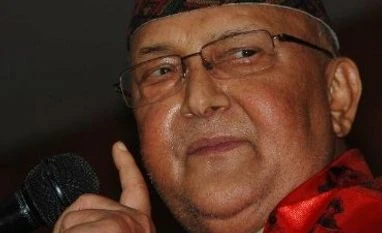
Archis Mohan New Delhi Nepal on Friday initiated the process to elect its new prime minister. The change of guard — incumbent prime minister and Nepali Congress leader Sushil Koirala is set to make way for Communist Party of Nepal (Unified Marxist Leninist) chairman K P Oli — tops a series of developments that have considerably soured India-Nepal relations over the past fortnight.
South Block considers Koirala to be a friend, but doesn’t have a similar equation with Oli. The Communist leader has also been forthright in criticising India for not supporting the new Constitution of Nepal. “India should not impose undeclared blockade in the name of dissatisfaction expressed by a few political parties and some political leaders on the new Constitution,” Oli had said on Wednesday.
New Delhi has termed the allegations that it is behind the blockade ‘baseless’. The Madhesis, Indian-origin inhabitants of the Terai region on the India-Nepal border, have been blocking border roads, which led to disruption of supply of essential goods to Nepal, leading to scarcity. Madhesis are opposed to the plan to split Nepal into seven provinces and complain the new Constitution does not guarantee enough rights and representation to Madhesi and Tharu communities.
Around 40 people have died in clashes between police and protesters from these communities. India has been less than diplomatic in conveying to the Nepali leadership its reservations about the status of Madhesis in the new Constitution.
New Delhi’s muted response to the promulgation of the new Constitution, in stark contrast to Beijing’s unqualified appreciation, has been deeply resented in Kathmandu and has led to several anti-India protests.
Prateek Pradhan, until recently the media advisor to Koirala, even wrote a highly controversial opinion piece insinuating New Delhi had a hidden agenda in provoking the Madhesis. “The elements that are trying to instigate Nepalis to take up arms against each other… have vested interests in mind: stopping Nepal from standing on its own. They never want Nepal to be a sovereign, peaceful and stable country.”
There is much anti-India outrage on the streets of Kathmandu and on social media, too. #IndiaBlockadesNepal has been the topmost trending hashtag on Twitter in Nepal. Some observers, both in India and Nepal, fear South Block’s overt criticism of Nepal’s new Constitution — its justified indignation at Madhesis being treated ‘second class citizens’ under the new charter notwithstanding — could push Kathmandu into the arms of China.
Delivering his valedictory speech in Parliament on Friday, Koirala asked the agitating Madhesi parties to come to the table for talks and also help in easing the supply situation. The government, in the coming days, is expected to propose amendments to the Constitution to address the concerns of Madhesi parties.

 "India's friend Koirala to make way for Communist leader Oli in Nepal")

