Iraq pledges to deepen oil output cuts in Aug, Sept by 400,000 barrels/day
Iraq said on Friday it would cut its oil production by another 400,000 barrels per day in both August and September to compensate for its overproduction in the past three months.
Reuters DUBAI DUBAI (Reuters) - Iraq said on Friday it would cut its oil production by another 400,000 barrels per day in both August and September to compensate for its overproduction in the past three months.
Iraq oil minister Ihsan Abdul Jabbar said in a joint statement with his Saudi counterpart Prince Abdulaziz bin Salman that Iraq's output cut was in addition to the 850,000 bpd it had committed to cut in August and September under an OPEC+ supply pact.
The total reduction to Iraq's production in August and September will amount to 1.25 million bpd for each month.
"The reduction could be adjusted when the six secondary sources publish their production figures," the joint statement said, referring to oil industry data providers such as the International Energy Agency.
The two ministers stressed their full commitment to an OPEC+ deal curbing oil production.
Abdul Jabbar confirmed Iraq's firm commitment to the OPEC+ agreement, adding that Iraq would reach 100% conformity by the beginning of August.
The two ministers discussed in a phone call the latest developments in the oil markets, continued recovery in global demand and progress made towards implementing the OPEC+ agreement.
The Organization of the Petroleum Exporting Countries and allies, known as OPEC+, began a record supply cut in May to bolster oil prices hammered by the coronavirus crisis.
OPEC and allies led by Russia, known as OPEC+, agreed to cut output by 9.7 million bpd, or around 10% of global output, from May 1, and to taper off the cuts to 7.7 million bpd from August.
In July, OPEC delivered 5.743 million bpd of its share of the cuts, equal to 94% compliance, a Reuters survey found.
Iraq agreed to cut output by 1.06 million bpd under the deal.
The Saudi and Iraqi energy ministers said efforts made by OPEC+ member states would enhance the stability of global oil markets, accelerate its balancing and send positive signals to the markets, the statement said.
OPEC oil output rose by more than 1 million bpd in July as Saudi Arabia and other Gulf members ended their voluntary extra curbs on top of the OPEC-led deal, and other members made limited progress on compliance.
(Reporting by Samar Hassan; Writing by Rania El Gamal Editing by Tom Hogue/ Michael Perry/Jane Merriman)
(Only the headline and picture of this report may have been reworked by the Business Standard staff; the rest of the content is auto-generated from a syndicated feed.)

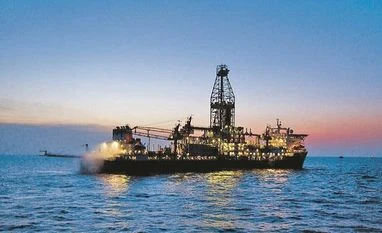 "Iraq pledges to deepen oil output cuts in Aug, Sept by 400,000 barrels/day")


