It's not just software: New safety flaws found in Boeing 737 Max

Boeing may eventually need to look into whether the same problem exists on the 737 NG, the predecessor to the Max
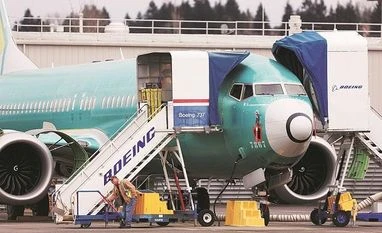
Boeing 737 Max
Natalie Kitroeff & David Gelles | NYT
3 min read Last Updated : Jan 07 2020 | 12:11 AM IST
Even as Boeing inches closer to getting the 737 Max back in the air, new problems are emerging that go beyond the software that played a role in two crashes.

As part of the work to return the Max to service, the company and regulators have uncovered new potential design flaws.

At the request of the Federal Aviation Administration (FAA), Boeing conducted an internal audit in December to determine whether it had accurately assessed the dangers of key systems given new assumptions about how long it might take pilots to respond to emergencies, according to a senior engineer at Boeing and three people familiar with the matter.

Among the most pressing issues discovered were previously unreported concerns with the wiring that helps control the tail of the Max. The company is looking at whether two bundles of critical wiring are too close together and could cause a short circuit. A short in that area could lead to a crash if pilots did not respond correctly, the people said. Boeing is still trying to determine whether that scenario could actually occur on a flight and, if so, whether it would need to separate the wire bundles in the roughly 800 Max jets that have already been built. 
The firm says that the fix, if needed, is relatively simple.

Boeing informed the FAA about the potential vulnerability last month. It may eventually need to look into whether the same problem exists on the 737 NG, the predecessor to the Max. 

There are about 6,800 of those planes in service.

The emergence of new troubles threatens to extend a crisis that is disrupting the global aviation business. The Max has been grounded since March, after the two crashes killed 346.

The crashes were caused in part by the MCAS software that triggered erroneously and sent the planes into nose dives. Boeing has developed a fix, but it has not yet been approved.

The new issues pose additional challenges for Boeing’s leadership. Last month, the board fired the chief executive, Dennis A Muilenburg. He is being replaced on an interim basis by Greg Smith, the former chief financial officer. Next week, David Calhoun, until recently the non-executive chairman, will take over as CEO.

Boeing is looking at raising additional debt to help bolster its resources, Dow Jones reported on Monday. Boeing had $20 billion in available funds at the end of the third quarter.

One subscription. Two world-class reads.

Already subscribed? Log in

Subscribe to read the full story →
*Subscribe to Business Standard digital and get complimentary access to The New York Times

Smart Quarterly

₹900

3 Months

₹300/Month

SAVE 25%

Smart Essential

₹2,700

1 Year

₹225/Month

SAVE 46%
*Complimentary New York Times access for the 2nd year will be given after 12 months

Super Saver

₹3,900

2 Years

₹162/Month

Subscribe

Renews automatically, cancel anytime

Here’s what’s included in our digital subscription plans

Exclusive premium stories online

  • Over 30 premium stories daily, handpicked by our editors

Complimentary Access to The New York Times

  • News, Games, Cooking, Audio, Wirecutter & The Athletic

Business Standard Epaper

  • Digital replica of our daily newspaper — with options to read, save, and share

Curated Newsletters

  • Insights on markets, finance, politics, tech, and more delivered to your inbox

Market Analysis & Investment Insights

  • In-depth market analysis & insights with access to The Smart Investor

Archives

  • Repository of articles and publications dating back to 1997

Ad-free Reading

  • Uninterrupted reading experience with no advertisements

Seamless Access Across All Devices

  • Access Business Standard across devices — mobile, tablet, or PC, via web or app

Topics :Boeing 737Boeing 737 MAX

Next Story



