Move in or lose out: Saudi Arabia's ultimatum unsettles foreign firms

The millions of dollars in costs, sudden policy changes and arbitrary legal rulings mean companies will need to weigh the risks of moving there
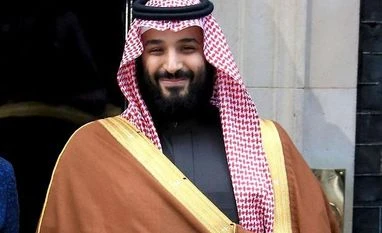
Mohammed bin Salman
Mohammed bin Salman
Bloomberg
4 min read Last Updated : Feb 18 2021 | 2:49 PM IST
Saudi Arabia’s ultimatum for global companies to move their regional hubs to Riyadh by 2024 or lose business is the kind of decision making that has made some wary of investing there.
 
The millions of dollars in costs, sudden policy changes and arbitrary legal rulings mean companies will need to weigh the risks of moving there with the potential rewards Crown Prince Mohammed bin Salman’s economic overhaul promises.
 
Saudi Arabia said this week state contracts would go only to companies with regional hubs in the country to stop economic “leakage.” It gave few details, fueling the kind of uncertainty many regional executives say complicate their dealings with the world’s top oil exporter.
 
Some businessmen say Saudi Arabia is a sleeping giant that’s waking up, with a consumer market three times the size of the United Arab Emirates, planned mega-projects worth hundreds of billions of dollars and a young, rapidly-changing society that’s almost unrecognizable from the ultra-conservative kingdom of five years ago.
 
But one manager at a multinational headquartered in Dubai, the Gulf’s main business hub, said companies know the political tide can turn fast in Saudi Arabia. The lack of legal recourse they have makes them vulnerable as most contracts come via the state so it’s difficult to chase unpaid money, he said. Like others he spoke on condition of anonymity because of the sensitivity.
Companies have mostly looked past Saudi Arabia’s arrests of businessmen and royals in what it called a crackdown on corruption, and the killing of a dissident columnist in 2018. Yet sudden shifts like tripling value-added tax create uncertainty and cost.
 
Overreach and Incentives
 
Saudi officials are frustrated by the consultants and executives working on Saudi projects who based themselves in Dubai, business-oriented city that draws in millions of foreign workers.
 
“It’s a combination of desperation and a little bit of overreach” said Ryan Bohl, a Middle East analyst at Stratfor Worldview. “It’s going to be hard to convince multinationals and regional giants to pick sides,” he said, predicting Riyadh would make exceptions and find ways for companies to function in both.
 
A Saudi government presentation to investors seen by Bloomberg said officials were working on an “attractive incentive package” for Riyadh’s King Abdullah Financial District, set to become a special economic zone. Subject to final approval, sweeteners include a 50-year exemption from 20% corporate tax and a waiver of rules around hiring Saudis for at least 10 years. The presentation also touted the potential exemptions to Saudi laws based on investor needs and an easier work permit system.
 
Dubai shouldn’t underestimate the willingness of companies to follow the money, a Dubai businessman said. The Saudi plans mean Dubai has to be inventive and stop relying on a model of charging fees and making the city more expensive to do business in.
 
The UAE is taking the regional challenge seriously and has made reforms to try to attract and keep foreigners as the pandemic batters the tourism and logistics sectors.
 
Workarounds
 
Executives at several international companies said they’d seek workarounds.
 
A manager at a global food company with regional headquarters in Dubai said they could name a second Mideast hub in Riyadh, or ask local Saudi partners to do so under their names. An advertising executive said their firm would open a Saudi office because of more work but keep Dubai as the regional base.
 
At the kingdom’s flagship investment conference last month 24 companies including Pepsico and Bosch said they’d signed preliminary agreements to locate regional hubs in Riyadh, though they’re waiting for the details before firming up commitments.

“The time frame of three years probably recognizes that this will be a big shift for corporations,” said Nuno Gomes, head of Middle East Career business at consultancy firm Mercer, estimating the additional costs of being in Riyadh can amount to 15%-25%.
 
Saudi officials realize the scale of the challenge, and are rolling out changes like a planned overhaul of the judicial system. Rumors are even circulating that a long-standing alcohol ban may be relaxed.
 
“We need to also create for those expats that we attract a great living environment,” Fahed Al-Rasheed, head of the Royal Commission for Riyadh City, said in an interview. “So your spouse needs to be able to work. Your children need to have the best international schools and that’s something that we have, and we’re working on.”

One subscription. Two world-class reads.

Already subscribed? Log in

Subscribe to read the full story →
*Subscribe to Business Standard digital and get complimentary access to The New York Times

Smart Quarterly

₹900

3 Months

₹300/Month

SAVE 25%

Smart Essential

₹2,700

1 Year

₹225/Month

SAVE 46%
*Complimentary New York Times access for the 2nd year will be given after 12 months

Super Saver

₹3,900

2 Years

₹162/Month

Subscribe

Renews automatically, cancel anytime

Here’s what’s included in our digital subscription plans

Exclusive premium stories online

  • Over 30 premium stories daily, handpicked by our editors

Complimentary Access to The New York Times

  • News, Games, Cooking, Audio, Wirecutter & The Athletic

Business Standard Epaper

  • Digital replica of our daily newspaper — with options to read, save, and share

Curated Newsletters

  • Insights on markets, finance, politics, tech, and more delivered to your inbox

Market Analysis & Investment Insights

  • In-depth market analysis & insights with access to The Smart Investor

Archives

  • Repository of articles and publications dating back to 1997

Ad-free Reading

  • Uninterrupted reading experience with no advertisements

Seamless Access Across All Devices

  • Access Business Standard across devices — mobile, tablet, or PC, via web or app

Topics :Saudi ArabiaMohammed bin Salmanforeign flows

Next Story


