
Newly published files confirm plan to move Julian Assange to Russia
Assange's relationship with the Russian authorities has been the subject of intense scrutiny following the 2016 US election
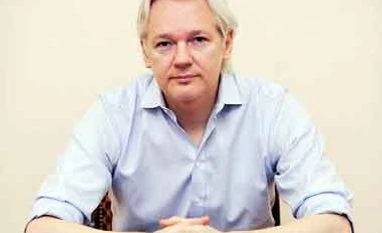 "Newly published files confirm plan to move Julian Assange to Russia")
WebinarsNew
Deep DiveNew
Explore Business Standard
Assange's relationship with the Russian authorities has been the subject of intense scrutiny following the 2016 US election
Julian Assange: Hacker. Journalist. Diplomat? Newly-released Ecuadorean government documents have laid bare an unorthodox attempt to extricate the WikiLeaks founder from his embassy hideaway in London by naming him as a political counsellor to the country's embassy in Moscow.
But the 47-year-old Australian's new career in international affairs was nipped in the bud when British authorities vetoed his diplomatic status, effectively blocking him from taking up his new post in Russia.
The files were made public late Tuesday by Ecuadorean opposition lawmaker Paola Vintimilla, who opposes her government's decision to grant Assange nationality. They largely corroborate a recent Guardian newspaper report that Ecuador attempted the elaborate maneuver just before Christmas last year.
Russian diplomats called the story "fake news," but the files show Assange was briefly named "political counsellor" to the Ecuadorean Embassy in Moscow with a monthly salary pegged at $2,000. Ecuador even went so far as to apply for a diplomatic ID card, the documents show, but the plan appears to have fallen apart with the British veto.
A letter dated December 21, 2017 from Britain's Foreign Office says U.K. officials "do not consider Mr Julian Assange to be an acceptable member of the mission." An eight-page memo written to Vintimilla summing up the whole episode notes that Assange's position as counselor was scrapped a few days later.
WikiLeaks did not immediately return messages. The British Foreign Office and the Russian Embassy in London declined to comment.
Assange's relationship with the Russian authorities has been the subject of intense scrutiny following the 2016 US election, when Russian spies are alleged to have handed WikiLeaks the leaked emails from presidential candidate Hillary Clinton's campaign in a bid to help elect her rival, Donald Trump.
Assange has denied receiving the files from the Russian government or backing the Trump campaign, despite a growing body of evidence suggesting he received material directly from Russia's military intelligence agency and coordinated media strategy with Trump's son, Donald Trump Jr.
Last month, the AP published internal WikiLeaks files showing Assange tried to move to Russia as early as 2010.
First Published: Oct 17 2018 | 6:40 PM IST


 Connect with us on WhatsApp