
Oil prices settle higher amid supply disruption on Druzhba pipeline
Brent crude futures rose 72 cents to settle at $93.86 a barrel, while U.S. West Texas Intermediate crude rose $1.05 to $86.92
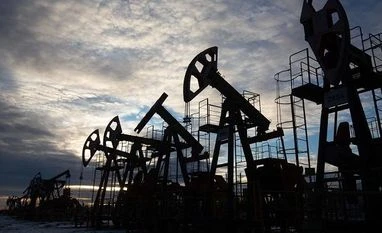 "Oil prices settle higher amid supply disruption on Druzhba pipeline")
WebinarsNew
Deep DiveNew
Explore Business Standard
Brent crude futures rose 72 cents to settle at $93.86 a barrel, while U.S. West Texas Intermediate crude rose $1.05 to $86.92
Oil prices rose on Tuesday and settled higher after news that oil supply to Hungary via the Druzhba oil pipeline has been temporarily suspended due to a fall in pressure.
Brent crude futures rose 72 cents to settle at $93.86 a barrel, while U.S. West Texas Intermediate crude rose $1.05 to $86.92.
Russia's state-owned pipeline monopoly Transneft has been notified by Ukraine of the pipeline disruption, the RIA news agency quoted Transneft as saying on Tuesday.
The United States said it was investigating unconfirmed reports that stray Russian missiles caused an explosion that killed two people in a Polish village near the border with Ukraine.
A European Union ban on seaborne Russian crude, set to start on Dec. 5, means that 1.4 million barrels per day (bpd) must be replaced, the International Energy Agency said on Tuesday.
"When you look at what we saw from the IEA about global oil inventories, that should be very bullish," said Phil Flynn, an analyst at Price Futures Group.
Adding support to oil prices, U.S. producer prices increased less than expected in October, more evidence inflation was starting to ease, which could allow the Federal Reserve to slow its aggressive interest rate hikes.
Wall Street indexes rose after the data, while the U.S. dollar index fell, making greenback-denominated oil less expensive for other currency holders.
"The inflation data was positive in a way. Stocks took off from that and it looks like we're getting dragged higher now," said John Kilduff, partner at Again Capital LLC in New York. "We're still in that inverse dollar effect here."
The IEA forecast that a gloomy economic outlook will put global oil use on track to contract by nearly a quarter million bpd in the fourth quarter of 2022 year on year, with demand growth slowing to 1.6 million bpd in 2023 from 2.1 million bpd this year.
U.S. crude stocks fell by about 5.8 million barrels for the week ended Nov. 11, according to market sources citing American Petroleum Institute figures on Tuesday. Gasoline inventories rose by about 1.7 million barrels, while distillate stocks rose by about 850,000 barrels. [API/S]
U.S. government data on inventories is due Wednesday.
In China, COVID cases rose further, including in the capital Beijing, and the country's factory output growth slowed.
Investment bank JPMorgan cut its quarterly and full-year forecasts for economic growth in China. The Organization of the Petroleum Exporting Countries (OPEC) cut its 2022 global oil demand growth forecast for a fifth time since April, citing mounting economic challenges including high inflation and rising interest rates.
(Only the headline and picture of this report may have been reworked by the Business Standard staff; the rest of the content is auto-generated from a syndicated feed.)
First Published: Nov 16 2022 | 8:50 AM IST


 Connect with us on WhatsApp