
Oil steady as demand worries revive, crews return to US Gulf rigs
rent crude futures gained 5 cents, or 0.1%, to $42.27 a barrel, after climbing 4.2% on Wednesday
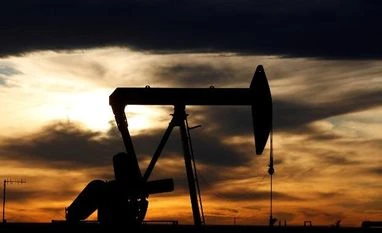 "Oil steady as demand worries revive, crews return to US Gulf rigs")
WebinarsNew
Deep DiveNew
Explore Business Standard
rent crude futures gained 5 cents, or 0.1%, to $42.27 a barrel, after climbing 4.2% on Wednesday
By Sonali Paul
MELBOURNE (Reuters) - Oil prices were mixed in early trade on Thursday, just clinging to overnight gains, as concerns about weak fuel demand were in the frame again after Hurricane Sally blasted through the Gulf of Mexico into the southeastern United States.
U.S. West Texas Intermediate (WTI) crude futures were flat at $40.16 a barrel at 0118 GMT, after jumping 4.9% on Wednesday.
Brent crude futures gained 5 cents, or 0.1%, to $42.27 a barrel, after climbing 4.2% on Wednesday.
Prices were mostly in negative ground in early trade after a bigger than expected rise in U.S. distillate stockpiles, which include diesel and heating oil, raised alarm about fuel demand in the world's biggest economy.
"Distillate demand ... is a key point of concern," Commonwealth Bank commodities analyst Vivek Dhar said in a note.
Distillate stockpiles rose by 3.5 million barrels last week, U.S. Energy Information Administration data showed on Wednesday -- nearly six times more than analysts had expected.
Those stocks have jumped to their highest level for this time of year since at least 1991, and U.S. refiners' margins for producing distillate are the lowest in 10 years, Dhar said.
"That's a powerful disincentive for refiners to boost activity and directly signals the demand pressures facing a suite of oil products," he said.
On the supply side, energy companies were starting to return crews to offshore oil platforms in the Gulf of Mexico after Hurricane Sally roared onshore. Nearly 500,000 barrels per day (bpd) of U.S. Gulf of Mexico offshore oil output was shut ahead of the latest hurricane to hit the region.
A panel of the Organization of the Petroleum Exporting Countries and its allies, together known as OPEC+, meets on Thursday to review the market but is unlikely to recommend further cuts to oil output despite the recent price drop, sources told Reuters.
OPEC+ agreed in July to cut output by 7.7 million bpd, or around 8%, of global demand from August through December. Iraq and others agreed to pump below their quotas in September to compensate for overproduction earlier this year.
(Reporting by Sonali Paul; editing by Richard Pullin)
(Only the headline and picture of this report may have been reworked by the Business Standard staff; the rest of the content is auto-generated from a syndicated feed.)
First Published: Sep 17 2020 | 9:03 AM IST


 Connect with us on WhatsApp