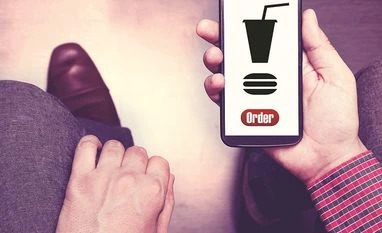
For some time now, restaurant chains have been adding mobile order-ahead options, betting they’d be popular with their customers. But even they were caught off guard with just how big of a hit the technology is turning out to be.
TGI Friday’s Inc mixed up orders, and Starbucks Corp struggled with overcrowding that scared off regular walk-in-and-pay customers. And that’s likely just the beginning for a technology that’s only now really starting to catch on. Researcher Crone Consulting LLC estimates that in five years half of all sales at quick-service chains will be placed digitally before the customer ever steps on the premises. Today, less than 10 per cent of the companies even offer the mobile order-ahead feature.
So swift is the growth of the technology that chains are having to rethink the way they do business, from putting a guy at the front door to greet customers to adding extra grab-and-go parking spaces. Pizza Hut Inc is retooling its app to include order histories and suggest popular sizes to speed up the process. Fast-food chain Chick-fil-A Inc already delivers orders kerbside at about a third of its locations, and is studying whether to let customers grab their grub using drive-through lanes. Even mom-and-pop joints are jumping in: Eastman Egg Co, which runs three sandwich shops in Chicago and saw its monthly order-head sales rise 180 per cent in December from a year earlier, is installing separate pick-up stations for mobile orders.
“Product, process and people have to be re-engineered to pull this off,” says Richard Crone, chief executive officer of the San Carlos, California-based consultancy. Order-ahead features can boost a store’s capacity by 30 per cent, and if companies don’t get it right, “we could see a bunch of stores actually going out of business.”
Starbucks, an early pioneer of the technology, figured out the downside of not being prepared after it introduced the feature nationwide in late 2015. Order-ahead customers flooded some stores, making it look like lines were extra long. Last quarter, mobile orders represented at least 20 per cent of sales during peak traffic times at nearly 1,200 Starbucks stores. A year ago, only 13 of the company’s coffeehouses could make that claim. Order-ahead apps drove seven per cent of all transactions last quarter, double the figure a year earlier.
As walk-in customers look at the number of people hovering around the counter, it “might create a signal to them that they are going to wait to do their transaction”, Kevin Johnson, who will take over as Starbucks CEO in April, said on the company’s quarterly earnings call on January 26. “We’re now laser-focused on fixing this problem,” outgoing CEO Howard Schultz added.
The coffee chain’s fixes include adding text-message notifications to alert customers when a mobile order is ready and hiring more baristas to smooth out congestion.
Adding headcount helped TGI Friday’s overcome its rocky start, too.