Pakistan farmers stuck in cycle of debt as crops destroyed in floods
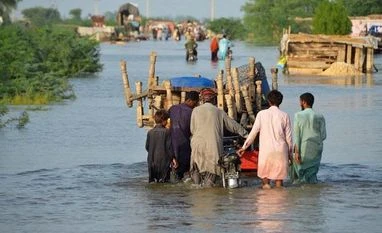
As floodwaters in Pakistan recede, the story of those in the worst affected regions comes to the surface with many farmers sharing their woes of being stuck in a vicious cycle of sinking into debt
ANI Asia As floodwaters in Pakistan recede, the story of those in the worst affected regions comes to the surface with many farmers sharing their woes of being stuck in a vicious cycle of sinking into debt and not being able to pay back the landlords, media reports said.
Farmers are left with no choice but to stay in the same circumstance. While speaking to the New York Times, Mairaj Meghwar, a farmer in his 40s who lives in the village of Lal Muhammad in Sindh Province, said, "Our life goes like that -- sinking into debt, not earning the money to pay it back, and then we do it again."
Sindh is among those provinces that have sustained the most flood damage. Around 40 families live in the Lal Muhammad village. Due to the floods, the houses have been brought to rubble and a huge loss has been inflicted on livestock.
The path connecting to the nearest town is an hour's drive by motorcycle away. Describing the situation around, the media outlet reported that the snakes were gliding past people and swarms of mosquitoes whirred in her ears.
This happens as the dengue outbreak worsens in Pakistan. Farmworker Barmeena only 14 years of age had no choice. "It was our only source of livelihood," she said to visiting New York Times journalists.
Her fields were completely destroyed in the deadly floods. On the other hand, the authorities have warned that the floodwater may not fully recede for months. However, in places where the floods waters have receded, the farmers, in a desperate attempt, are scrambling to salvage whatever they can from the battered remains of their cotton and rice harvests, reported New York Post.
As Pakistan's flood fury wreaks havoc in different provinces, farmers are finding themselves in another trouble as they are already buried under the debt they owe to landlords. Many already owe hundreds or thousands of dollars to the landlords whose fields they cultivate each year, as part of a system that has long governed much of rural Pakistan.
The landlords each planting season offer farmers loans so that they can buy fertilizers and seeds. With the purchased items they cultivate their fields which earns them a meagre amount. A small cut of the harvest goes toward repaying the loan.
The farmers are making desperate attempts to sail through the troubled waters. And now, their summer harvests are in ruins. Unless the water recedes, they will not be able to plant the wheat they harvest each spring. Even if they can, the land is certain to produce less after being damaged by the floodwaters, from a cataclysmic combination of heavy glacier melt and record monsoon rains, which scientists say were both intensified by climate change, reported New York Post.
(Only the headline and picture of this report may have been reworked by the Business Standard staff; the rest of the content is auto-generated from a syndicated feed.)

 "Pakistan farmers stuck in cycle of debt as crops destroyed in floods")


