Rohingya crisis: Myanmar army probing Rakhine atrocities
The western region descended into chaos when Rohingya militants attacked Myanmar police posts on August 25
AFP | PTI Yangon (Myanmar) Myanmar's military has said it is investigating its operations in violence-wracked Rakhine state, where the United Nations has accused troops of waging an ethnic cleansing campaign against Rohingya Muslims.
In the last seven weeks, more than half-a-million Rohingya have fled Rakhine and crossed into neighbouring Bangladesh, shocking the globe with accounts of Myanmar soldiers and Buddhist mobs murdering and raping civilians, before torching their villages to the ground.
The western region descended into chaos when Rohingya militants attacked Myanmar police posts on August 25, triggering the brutal military crackdown.
The latest UN probe accused Myanmar's military of leading a "systematic" effort to expel the maligned minority and block their return to the mainly Buddhist country.
The army, which has a long history of "scorched-earth" counter-insurgency campaigns, has steadfastly denied the charges -- while also blocking independent access to the conflict zone.
It is now preparing to publish results of its own internal investigation into the conflict, according to statements released yesterday.
"Inspector-General Lt-Gen. Aye Win is inspecting security forces and military units (to see) whether they perform the assigned duties or not," said a statement from the army's "True News Information Team."
"When full information is received, the official press release will be released," it added.
A separate post published on the army chief's Facebook page suggested troops would be cleared of abuses, saying: "it was found that all actions conformed to the law."
"A lot of witnesses were questioned. Investigations were carried out as to how such incidents happened, how many casualties there were and whether or not those incidents were in line with the law," the post on General Min Aung Hlaing's Facebook page said.
Myanmar's military ruled the country through a brutal dictatorship for five decades until 2011, when it initiated a transition to partial democracy.
Two years ago, it allowed free elections that swept former democracy-activist Aung San Suu Kyi to victory in a power-sharing arrangement that still hands the military control over security policy.
The army was widely loathed by the Burmese people during its ruthless 50-year reign, a tenure marked by countless allegations of rights abuses and total impunity for soldiers.
But its current campaign against the Rohingya has received widespread public support from a Buddhist population that believes the stateless Muslim minority are illegal immigrants.
The army chief has continued to push this view with regular Facebook posts describing the Rohingya as "Bengalis" with no claim to live in Rakhine, despite their long roots in the region.
Suu Kyi, a Nobel Peace Prize laureate, has sparked international dismay for her perceived lack of sympathy towards the Rohingya and unwillingness to condemn alleged atrocities by the army.

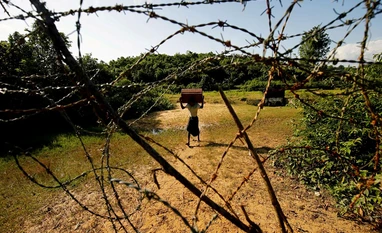 "Rohingya crisis: Myanmar army probing Rakhine atrocities")


 Connect with us on WhatsApp