Russia to deploy Sarmat missiles by autumn in 'historic' nuclear upgrade

The Sarmat is capable of carrying 10 or more nuclear warheads and decoys, and of striking targets thousands of miles away in the United States or Europe
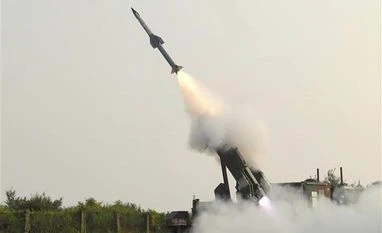
ballistic missiles UAE
"The prospect of nuclear conflict, once unthinkable, is now back within the realm of possibility," United Nations Secretary-General Antonio Guterres said last month
Reuters London
2 min read Last Updated : Apr 23 2022 | 7:59 PM IST
Russia said on Saturday it plans to deploy its newly tested Sarmat intercontinental ballistic missiles, capable of mounting nuclear strikes against the United States, by autumn.

The target stated by Dmitry Rogozin, head of the Roscosmos space agency, is an ambitious one as Russia reported its first test-launch only on Wednesday and Western military experts say more will be needed before the missile can be deployed.

The Sarmat is capable of carrying 10 or more nuclear warheads and decoys, and of striking targets thousands of miles away in the United States or Europe.

This week's test, after years of delays due to funding and technical issues, marks a show of strength by Russia at a time when the war in Ukraine has sent tensions with the United States and its allies soaring to their highest levels since the 1962 Cuban missile crisis.

Rogozin said in an interview with Russian state TV that the missiles would be deployed with a unit in the Krasnoyarsk region of Siberia, about 3,000 km (1,860 miles) east of Moscow.

He said they would be placed at the same sites and in the same silos as the Soviet-era Voyevoda missiles they are replacing, something that would save "colossal resources and time".

The launch of the "super-weapon" was an historic event that would guarantee the security of Russia's children and grandchildren for the next 30-40 years, Rogozin added.

Western concern at the risk of nuclear war has increased since Russian President Vladimir Putin launched his invasion of Ukraine on Feb. 24 with a speech in which he pointedly referred to Moscow's nuclear forces and warned that any attempt to get in Russia's way "will lead you to such consequences that you have never encountered in your history."

"The prospect of nuclear conflict, once unthinkable, is now back within the realm of possibility," United Nations Secretary-General Antonio Guterres said last month.

(Reporting by Reuters; Editing by David Holmes)

One subscription. Two world-class reads.

Already subscribed? Log in

Subscribe to read the full story →
*Subscribe to Business Standard digital and get complimentary access to The New York Times

Smart Quarterly

₹900

3 Months

₹300/Month

SAVE 25%

Smart Essential

₹2,700

1 Year

₹225/Month

SAVE 46%
*Complimentary New York Times access for the 2nd year will be given after 12 months

Super Saver

₹3,900

2 Years

₹162/Month

Subscribe

Renews automatically, cancel anytime

Here’s what’s included in our digital subscription plans

Exclusive premium stories online

  • Over 30 premium stories daily, handpicked by our editors

Complimentary Access to The New York Times

  • News, Games, Cooking, Audio, Wirecutter & The Athletic

Business Standard Epaper

  • Digital replica of our daily newspaper — with options to read, save, and share

Curated Newsletters

  • Insights on markets, finance, politics, tech, and more delivered to your inbox

Market Analysis & Investment Insights

  • In-depth market analysis & insights with access to The Smart Investor

Archives

  • Repository of articles and publications dating back to 1997

Ad-free Reading

  • Uninterrupted reading experience with no advertisements

Seamless Access Across All Devices

  • Access Business Standard across devices — mobile, tablet, or PC, via web or app

Topics :Russia Ukraine ConflictRussia

Next Story


