South Sudan restarted oil production today, ending a bitter 15-month row with former civil war foe Sudan and marking a major breakthrough in relations after bloody border clashes last year.
"The oil is now flowing," South Sudan oil minister Stephen Dhieu Dau shouted as he flicked a switch to restart production at a ceremony in the Thar Jath field in Unity state.
Sudan and South Sudan came close to a return to all-out conflict last year in bitter fighting along their un-demarcated border in April and March, a conflict prompted partly by their disputes over oil.
"This is a sign of peace," Dau said, as crowds danced in celebration. "No way are these sisterly countries to live without peace, and oil will play a great role to keep the peace in Sudan and South Sudan."
South Sudan halted crude production in early 2012, cutting off most of its revenue after accusing Khartoum of theft in a row over export fees.
At talks in Addis Ababa last month, the two countries finally settled on detailed timetables to ease tensions, after months of intermittent border clashes, by resuming oil flows and implementing other key pacts.
Earlier deals had remained stalled after Khartoum pushed for guarantees that South Sudan would no longer back rebels fighting in its border areas of South Kordofan and Blue Nile.
The shutdown has cost both impoverished nations billions of dollars. China was the biggest buyer of the oil.
South Sudan won independence in July 2011 after a referendum set up under a 2005 peace agreement that ended more than two decades of bloody civil war.
At independence, South Sudan won control of roughly 75% of the 470,000 barrels per day of crude produced by the formerly unified country.
The separation left Khartoum without most of its export earnings and half of its fiscal revenues.
Before the shutdown, oil provided South Sudan with 98% of its revenue.
But while South Sudan has the bulk of the oil fields, the pipeline infrastructure all runs north through Sudan.
During the oil shutdown, South Sudan said it was exploring the possibility of building new pipelines, either to the Indian Ocean through Kenya to the south, or to the Gulf of Aden through Ethiopia and Djibouti to the east.
However, Dau said the resumption of production was "a message of the commitment of the leadership of the government and the people of South Sudan to comply with the agreements signed with Sudan."
It was sign of the "commitment that the two states ... must be viable, must be prosperous, they must live together," he added.
Oil companies in South Sudan include Malaysian state-owned Petronas, China's National Petroleum Company, and the Sudd Petroleum Operating Company (SPOC), a joint venture between Petronas and South Sudan's government.
"This is a very special day," said Emi Suhardi Mohd Fadzil, president of SPOC, which operates the field around Thar Jath known as Block 5a, southeast of the Unity state capital Bentiu.
"We never doubted that this day would come, it was a matter of time, and that time has come," he added.
Oil deals agreed between Juba and Khartoum are worth between USD 1 billion and USD 1.5 billion annually in transit fees and other payments for Sudan, an international economist has estimated.
Billions more dollars would reach South Sudan from its oil sales.

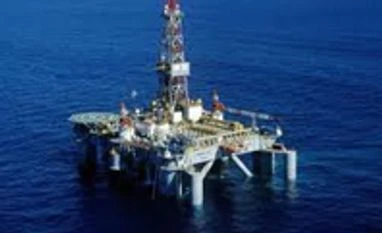 "S Sudan restarts oil production, ending row with Khartoum")


 Connect with us on WhatsApp