Every spring people across Japan are enraptured as the cherry trees explode into bloom, clothing the country in pink. The blossoms last for only a few short weeks, but in that time the fleeting flowers make for good business.
The blossoms are a gift to corporate marketers and a boon for tourism. As spring approaches, sakura-themed goods fill stores as companies use the season to introduce new products.
While the impact isn’t enough to show up in top-tier statistics, pockets of the economy perk up and springtime spending gets a boost. Household purchases of alcohol jump about 10 per cent in March from February, as blossom viewing parties get underway. Foreign tourists also begin flocking back into the country after a winter lull.
Nestle SA repackages its KitKat chocolates for spring, Starbucks Corp goes a step further with sakura-flavoured frappuccinos and lattes, and Japan’s three biggest convenience store chains — Seven & i Holdings Co, Lawson Inc and FamilyMart UNY Holdings Co — offer a host of seasonally flavoured treats and snacks.
Asahi Group Holdings Ltd, the nation’s largest beer vendor, beat its sales targets for the last two years for sakura-themed beer packages. It’s hoping for strong sales again and sees the campaign as a chance to reach people who don’t normally drink its Super Dry beer, like women and young adults, said company spokesman Takuo Soga.
Japan has been experiencing a tourism boom in recent years, with 2016 marking a record high of 24 million arrivals from overseas.
“The number of tourists from Asia who come to see the cherry blossoms in March and April is increasing,” said Kana Usami, who works in corporate planning at H I S travel agency. “People in China and other parts of Asia are learning about the cherry blossoms through social networking sites, so they want to experience flower viewing in the same way as the Japanese.”
A survey conducted by the Japan Tourism Agency found that of international tourists who came to Japan in the second quarter of 2016, about 16 per cent participated in seasonal activities, such as viewing the cherry blossoms. Some 91 per cent said they were satisfied with the experience and 33 per cent wanted to take part in seasonal activities during their next trip to Japan.
“It fits with the shift from the consumption of things to the consumption of experiences,” said Takayuki Miyajima, an economist at Mizuho Research Institute. “It contributes to bringing back repeat visitors.”
The blossoms usually last for seven to 10 days, but cooler temperatures through the end of March will stretch the viewing period a bit longer this year, said Ai Hasebe, from a private Japanese forecaster. The viewing season in Tokyo started officially on March 21 this year, a little earlier than usual.
“When the cherry trees bloom, my spirit picks up and I want to have a drink,” said Hiroshi Nogishi, 68, a stock trader who came to see some early blossoms in Tokyo’s Ueno Park. “The season overlaps with turning points in life, like entering school and graduation, joining a company and retiring. The cherry blossoms are connected to a lot of memories. They’re different from a normal flower.”
© Bloomberg

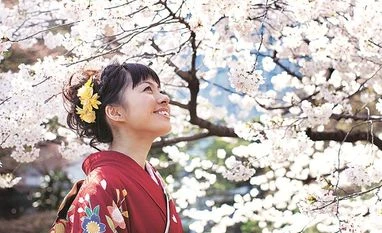 "Sakura brightens streets and shops of Japan")












 Connect with us on WhatsApp