Saudi Arabia's thirst for water is creating a toxic brine problem

Saudi Arabia's desalination plants produce about 31.5 million cubic metres of contaminated water each day
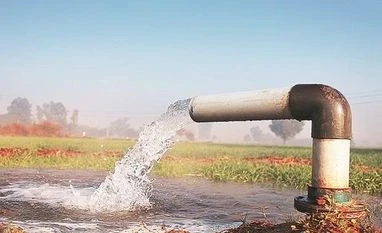
water, water crisis, water crisis in India
Need of the hour: The ferocity and intensity of water disputes across the country are all indicators that this problem is with us, here and now, and not in some hypothetical future
Bloomberg
Last Updated : Jan 09 2019 | 10:40 PM IST

Don't want to miss the best from Business Standard?

Saudi Arabia isn’t just the world’s top crude oil exporter. It’s also the biggest producer of a toxic effluent that’s the byproduct of slaking the desert kingdom’s thirst for water.

United Nations scientists warned Tuesday that desalination in Saudi Arabia and other countries is creating huge volumes of chemical-laced brine that risks contaminating food chains if left untreated. The problem is most acute in the Middle East and North Africa, which account for two-thirds of the world’s water contaminated by energy-intensive desalination plants.

“We have to address potentially severe downsides of desalination — the harm of brine and chemical pollution to the marine environment and human health,” said Vladimir Smakhtin, the director for the Hamilton, Canada-based UN Institute for Water Environment and Health.

Together, the world’s 16,000 desalination plants produce enough effluent every year to cover Florida with a foot of toxic brine, according to the peer-reviewed UN study, which was published by Elsevier Ltd’s journal Science of the Total Environment.


Desalination is an industrial process that uses heat and pressure to make mineral-laced seawater fit for human consumption. For every litre of potable water produced, the UN estimates about 1.5 liters of liquid polluted with chlorine and copper are created. When pumped back into the ocean, the toxic brine depletes oxygen and impacts organisms along the food chain.

Saudi Arabia’s desalination plants produce about 31.5 million cubic metres of contaminated water each day. That volume of liquid, most of which is pumped back into the ocean, is equivalent to about 20 million barrels of oil a day, or, double the amount of crude it currently produces. The Kingdom is tendering seven desalination and waste-water projects as it tries to alleviate the impacts of depleted aquifers.

While countries can treat the toxic brine to remove chemicals and heavy metals, those processes are expensive and require even more energy, according to the report. 

One subscription. Two world-class reads.

Already subscribed? Log in

Subscribe to read the full story →
*Subscribe to Business Standard digital and get complimentary access to The New York Times

Smart Quarterly

₹900

3 Months

₹300/Month

SAVE 25%

Smart Essential

₹2,700

1 Year

₹225/Month

SAVE 46%
*Complimentary New York Times access for the 2nd year will be given after 12 months

Super Saver

₹3,900

2 Years

₹162/Month

Subscribe

Renews automatically, cancel anytime

Here’s what’s included in our digital subscription plans

Exclusive premium stories online

  • Over 30 premium stories daily, handpicked by our editors

Complimentary Access to The New York Times

  • News, Games, Cooking, Audio, Wirecutter & The Athletic

Business Standard Epaper

  • Digital replica of our daily newspaper — with options to read, save, and share

Curated Newsletters

  • Insights on markets, finance, politics, tech, and more delivered to your inbox

Market Analysis & Investment Insights

  • In-depth market analysis & insights with access to The Smart Investor

Archives

  • Repository of articles and publications dating back to 1997

Ad-free Reading

  • Uninterrupted reading experience with no advertisements

Seamless Access Across All Devices

  • Access Business Standard across devices — mobile, tablet, or PC, via web or app

Next Story



