
Sterling slips on Brexit, BoE policy uncertainty
Sterling fell almost 1% to a 12-week low of 137.24 yen
 "Sterling slips on Brexit, BoE policy uncertainty")
WebinarsNew
Deep DiveNew
Explore Business Standard
Sterling fell almost 1% to a 12-week low of 137.24 yen
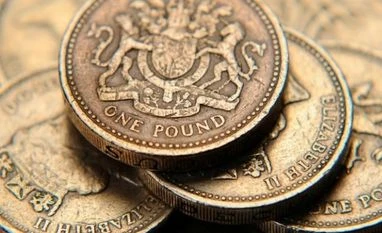
Sterling slipped against the dollar, euro and yen on Tuesday, kept under pressure by uncertainty over the terms of Britain's exit from the European Union and by doubts over how soon the Bank of England will start raising interest rates.
Sterling fell almost one per cent to a 12-week low of 137.24 yen, with the Japanese currency up across the board as a risk-off mood pushed investors into traditional safe havens.
Analysts said the broad fall in risk appetite was driven by worries over an upcoming meeting between US President Donald Trump and Chinese President Xi Jinping, as well as a suspected suicide bombing in St Petersburg, Russia, and French elections beginning at the end of the month.
For sterling, political risk has been in the driving seat for nine months, with the currency losing around 17 per cent against the dollar since Britain's vote to leave the European Union last June.
A parliamentary committee said on Tuesday that British Prime Minister Theresa May must prove that "no deal is better than a bad deal" by offering an economic assessment on the impact of leaving the EU with no agreement.
"For us this is all political noise right now," said ING currency strategist Viraj Patel. He suggested a rethink of when the BoE might start to raise interest rates from their record lows as behind sterling's weakness over the past two days, when it has fallen over one per cent to a five-day low of $1.2419.
BoE Governor Mark Carney is set to give a speech on Friday, while fellow Monetary Policy Committee (MPC) member Gertjan Vlieghe speaks on Wednesday.
"For us markets are a bit too hawkish for our liking, and we might now be getting a dovish repricing," Patel said.
Markets moved to price in a chance of an interest rate rise in the next year last month, after outgoing MPC member Kristen Forbes unexpectedly voted for a hike.
But many economists say that despite accelerating inflation, the central bank is unlikely to tighten monetary policy while Britain is negotiating its exit from the EU in talks over the next two years.
Sterling has fallen over 11 per cent against the euro since the vote for Brexit, with banks split over its likely direction in the coming months.
It was down a quarter of a per cent at 85.70 pence per euro on Tuesday.
"We do not envisage the start of negotiations as resulting in renewed pound selling, and maintain a view of sterling appreciation through the remainder of 2017," wrote MUFG currency strategists in a research note, adding that the pound was becoming less sensitive to Brexit developments.
First Published: Apr 04 2017 | 3:01 PM IST


 Connect with us on WhatsApp