The G7’s weekend agreement on a global minimum corporate tax rate and arrangements for taxing multinationals paves the way for a broader deal in the coming weeks that could reshape cross-border taxation for years to come.
Hailed as historic by its backers, the deal nonetheless contains much detail that still needs to be hammered out in time for countries of the wider G20 grouping to give it their support at a meeting scheduled for next month.
Here is what we know so far and what remains unclear:
Leigh Thomas | Reuters, which is a June 30-July 1 online meeting of the 139 nations negotiating future rules for cross-border taxation at the Organisation for Economic Cooperation and Development (OECD) in Paris.
The countries aim to reach a consensus at the meeting on the details, as much technical work has already been done. Any accord from that meeting will then go before G20 finance ministers for endorsement when they meet in Venice on July 9-10. The OECD and the US have said a final sign-off might not be possible until a G20 meet in October, because the US position may not be firm by July as a domestic tax package will be going through Congress.
Is this the end of tax havens?
If the deal does not kill off tax havens entirely, it will make them far less attractive for many firms looking to cut their tax bill but also burnish their credentials with investors focusing on environmental, social and corporate governance. The whole idea of the global minimum tax is that it gives countries the right to add a top-up tax on company profits in countries with tax rates lower than the global minimum.
How will this apply to multinationals?
A separate part of the international tax talks deals with how to divvy up governments’ rights to tax excess, or non-routine, profit of the biggest multinationals, among them major digital companies.The G7 agreed that governments should get the right to tax at least 20 per cent of the profit earned in their country by a multinational over a 10 per cent margin. All indications are that the excess profit would also be subject to the global minimum. That said, a lot of the metrics still need to be worked out
Will this mean big government windfalls?
The OECD calculated in October that a global minimum tax could yield $100 billion a year, or 4 per cent of global corporate income tax. That's probably on the low side as it was based on a 12.5 per cent rate, which was the focus of talks at the time.
Read this article for free
Register to continue reading premium journalism and analysis from Business Standard.

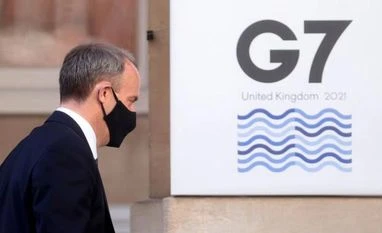 "Tax on multinationals: Much detail needs to be hammered out for G20")












 Connect with us on WhatsApp