Both Kelly and Ghosn also allege they are victims of a boardroom coup by former colleagues worried that Ghosn wanted to merge Nissan with alliance partner and largest shareholder Renault SA.
The Nissan company, which was charged alongside Kelly and Ghosn, pleaded guilty at the start of the trial to allowing Ghosn to hide earnings from Japanese authorities. It is awaiting a court ruling. Prosecutors are seeking a 200 million yen ($1.74 million) fine for the carmaker.
Released on Christmas day in 2018 after a month in jail, Kelly has had to remain in Japan under conditions set in his $600,000 bail. He wife Dee joined him and has attended most court sessions The case has captivated a country astonished by Ghosn's transformation from feted auto executive to international fugitive.
It is also being watched closely by the new U.S. ambassador to Japan, Rahm Emanuel, amid concern about the American's treatment by a justice system that some western observers view as overly harsh. Suspects in Japan are not allowed to have a lawyer present during interrogations and can be detained for up to three weeks without charge. And 99% of cases that go to trial end with a conviction.

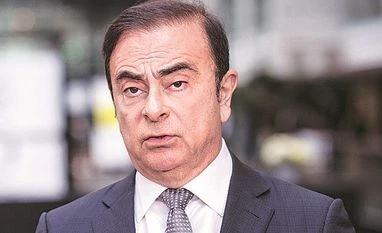 "Tokyo court to rule whether deputy helped former Nissan chief hide $80 mn")









