UK study finds mRNA Covid-19 vaccines provide biggest booster impact

Pfizer and Moderna shots give large antibody boosts regardless of whether a person initially received those vaccines.
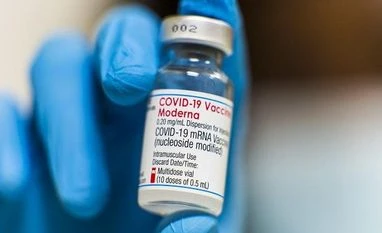
Moderna Covid-19 vaccine
Alistair Smout | Reuters London
2 min read Last Updated : Dec 03 2021 | 8:41 AM IST
COVID-19 vaccines made by Pfizer and Moderna that use mRNA technology provide the biggest boost to antibody levels when given 10-12 weeks after the second dose, a British study published on Thursday has found.

The "COV-Boost" study was cited by British officials when they announced that Pfizer and Moderna were preferred for use in the country's booster campaign, but the data has only been made publicly available now.

The study found that six out of the seven boosters examined enhanced immunity after initial vaccination with Pfizer-BioNTech's vaccine, while all seven increased immunity when given after two doses of AstraZeneca's vaccine.

"A third dose will be effective for many of the vaccines we've tested and in many different combinations," Professor Saul Faust, an immunologist at the University of Southampton and the trial's lead, told reporters.

The study found that a full dose or half dose of Pfizer or a full dose of Moderna gave a very effective boost to both antibody and T-cell levels, regardless of whether the person initially received Pfizer or AstraZeneca.

When AstraZeneca, Novavax, Johnson & Johnson and Curevac were given as boosters, they increased antibody levels for either initial vaccine, albeit to a smaller degree. However, while Valneva boosted antibodies in people initially vaccinated with AstraZeneca, it did not provide a boost for Pfizer.

The study found that booster shots also helped to generate a broad T-cell response against the Beta and Delta variants, which may play a key role in longer-term protection.

"T-cell (response) does seem to be broader against all the variant strains, which gives us hope that a variant strain of the virus might be able to be handled, certainly hospitalisation and death, if not prevention of infection, by the current vaccines," Faust said.

The study pre-dated the spread of the Omicron variant of concern, but Faust said he had shared samples with the UK Health Security Agency to generate data on Omicron as well.

One subscription. Two world-class reads.

Already subscribed? Log in

Subscribe to read the full story →
*Subscribe to Business Standard digital and get complimentary access to The New York Times

Smart Quarterly

₹900

3 Months

₹300/Month

SAVE 25%

Smart Essential

₹2,700

1 Year

₹225/Month

SAVE 46%
*Complimentary New York Times access for the 2nd year will be given after 12 months

Super Saver

₹3,900

2 Years

₹162/Month

Subscribe

Renews automatically, cancel anytime

Here’s what’s included in our digital subscription plans

Exclusive premium stories online

  • Over 30 premium stories daily, handpicked by our editors

Complimentary Access to The New York Times

  • News, Games, Cooking, Audio, Wirecutter & The Athletic

Business Standard Epaper

  • Digital replica of our daily newspaper — with options to read, save, and share

Curated Newsletters

  • Insights on markets, finance, politics, tech, and more delivered to your inbox

Market Analysis & Investment Insights

  • In-depth market analysis & insights with access to The Smart Investor

Archives

  • Repository of articles and publications dating back to 1997

Ad-free Reading

  • Uninterrupted reading experience with no advertisements

Seamless Access Across All Devices

  • Access Business Standard across devices — mobile, tablet, or PC, via web or app

Topics :PfizerCoronavirus VaccineCoronavirus Tests

Next Story



