Home / World News / US calls on Europe to wean itself from Russian gas
US calls on Europe to wean itself from Russian gas
They said that it was necessary to bring an end to the Kremlin's use of energy supplies as political leverage
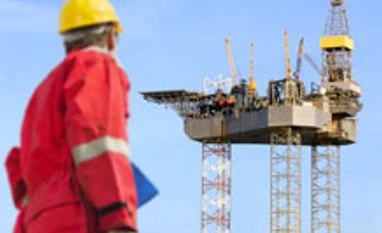
<a href="http://www.shutterstock.com/pic-112219793/stock-photo-roughneck-out-of-focus-looking-at-a-huge-oil-rig-being-constructed.html?src=ngiKVsU9pGswcOatEIrs0w-1-8" target="_blank">oil and gas rig</a> image via Shutterstock.
The United States has called on Europe to wean itself from a dangerous dependency on Russian gas, saying it was time to stand together and bring an end to the Kremlin's use of energy supplies as political leverage.
Left unsaid was the European Union's reluctance to follow the United States headlong into shale gas extraction, which has transformed the global energy scene and turned the US from importer into a nascent exporter.
Or its refusal to fully re-embrace nuclear power in the wake of the Fukushima disaster in Japan.
And even if it tried to become independent, it would take Europe years to develop promising sources, such as shale deposits in Ukraine and Poland and with no guarantees of success.
Europe's reliance on Russia for a third of its energy needs has left the Kremlin in a position of power, emboldening it as it swept in to annex the Crimean Peninsula from Ukraine last month, with little more than diplomatic protest and a few sanctions in return.
In his first interview since fleeing to Russia, Ukraine's ousted president, Viktor Yanukovych, said yesterday that he was "wrong" to invite Russian troops into Crimea and vowed to try to persuade Russia to return the coveted Black Sea peninsula.
Yanukovych told The Associated Press and Russia's state NTV television that he still hopes to negotiate with Russian President Vladimir Putin to get the annexed region back.
"Crimea is a tragedy, a major tragedy," the 63-year-old Yanukovych said, insisting that Russia would not have taken over Crimea if he had stayed in power.
He fled Ukraine in February after three months of protests focused on corruption and on his decision to seek closer ties to Russia instead of the European Union.
His ouster and Russia's subsequent annexation of Crimea added fresh urgency to calls for Europe to diversify its energy policy.
"It really boils down to this: No nation should use energy to stymie a people's aspirations," US Secretary of State John Kerry said in Brussels yesterday.
"It should not be used as a weapon. It's in the interest of all of us to be able to have adequate energy supplies critical to our economies, critical to our security, critical to the prosperity of our people."
Russia's energy dominance was most recently highlighted when state-controlled Gazprom carried out its threat this week to raise natural gas rates for Ukraine. But Russia has turned off the valves to Europe before, in 2006 and 2009.
Despite its contentious history of dependence, European production has been in steady decline as ageing nuclear plants go unreplaced, polluting coal declines in popularity and North Sea oil dwindles.

 "US calls on Europe to wean itself from Russian gas")

