US-China investment flows slide to 9 y-low as bilateral tensions escalate
Investment between the US and China tumbled to a nine-year low in the first half of 2020, hit by bilateral tensions that could see more Chinese companies come under pressure to divest US operations
Reuters HONG KONG HONG KONG (Reuters) - Investment between the United States and China tumbled to a nine-year low in the first half of 2020, hit by bilateral tensions that could see more Chinese companies come under pressure to divest U.S. operations, a research report said.
Investment, both direct investment by companies and venture capital flows, between the two countries fell 16.2% to $10.9 billion in January-June from the same period a year earlier - also hurt by the coronavirus pandemic, according to figures from consultancy Rhodium Group and the National Committee on U.S.-China Relations, an NGO.
That's a far cry from half-yearly totals of nearly $40 billion seen in 2016 and 2017.
Flows are unlikely to recover this year, regardless of the outcome of the U.S. presidential election, the report said, as "systemic concerns driving caution on Chinese investment in high technology, critical infrastructure and personal assets will not subside."
Citing national security risks posed by Chinese technology firms, U.S. President Donald Trump's administration has sharply expanded actions to hobble Chinese companies.
This has included putting telecoms giant Huawei Technologies Co Ltd on its trade blacklist, threatening similar action for Semiconductor Manufacturing International Corp and ordering TikTok owner ByteDance to divest the short-form video app.
ByteDance is currently seeking approval for a deal with Oracle Corp that is structured as a partnership rather than an outright sale.
"At a time of rising discomfort with US-China technology integration numerous other companies - both Chinese firms operating in the U.S. and U.S. firms with a presence in China may be forced to divest," the report said.
It added that the U.S. treatment of ByteDance and the broader shift away from U.S.-China technology integration may lead to policies which make it more difficult for U.S. tech firms to operate in China.
Investment by U.S. firms in China in the first half tumbled 31% to $4.1 billion, while investment by Chinese companies in the United States rose 38% to $4.7 billion, the report said. That was mostly due to one deal - a Tencent Music -led consortium's purchase of a minority stake in Universal Music group for $3.4 billion.
(Reporting by Alun John; Editing by Edwina Gibbs and Richard Pullin)
(Only the headline and picture of this report may have been reworked by the Business Standard staff; the rest of the content is auto-generated from a syndicated feed.)

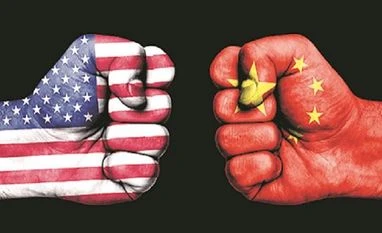 "US-China investment flows slide to 9 y-low as bilateral tensions escalate")


 Connect with us on WhatsApp