Where 'Yes! to affordable groceries' really means no to a soft drinks tax

The soda industry is spending millions of dollars to push ballot measures that would permanently deny cities the ability to tax sugary drinks and other items
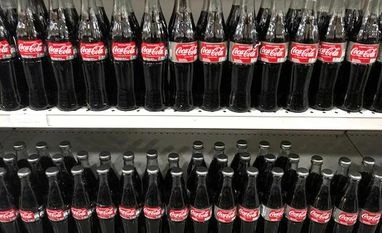
Coca Cola, pepsi, aerated beverages, soft drink
Bottles of Coca-Cola are seen on a shelf at a supermarket in Caracas. Photo: Reuters
Andrew Jacobs | NYT
Last Updated : Nov 04 2018 | 12:17 AM IST
Standing in a grocery store produce aisle, her face shadowed with dread, the middle-aged girl speaks on to the digital camera and makes a plea for widespread decency.

“We shouldn’t be taxed on what we eat,” she says in a business that’s being broadcast throughout Washington State. “We have to eat to outlive, and if we have now to chop again on what we eat, that’s not going to be good — particularly for the aged.” In the run-up to Election Day, residents of Washington and Oregon have been bombarded with related messages from teams with names like “Yes! To Affordable Groceries.” The organisations have spent greater than $25 million on commercials that function plain-spoken farmers and penny-pinching mothers urging assist of poll measures that might prohibit municipalities from taxing meals gross sales.

But what most voters don’t know is that Coca-Cola, PepsiCo and different American beverage corporations are largely financing the initiatives — to not block taxes on staples like milk and greens however to choke off a rising motion to tax sugary drinks.
At a time of hovering childhood weight problems, and with a couple of in three adults obese, well being advocates say that soda taxes are an efficient option to dampen consumption of sugar-sweetened drinks. Nearly 40 nations now have them, together with seven cities within the United States, together with Philadelphia, San Francisco and Boulder, Colo.

Towns and cities throughout the nation have been mulling related strikes as a option to cut back sugary drink gross sales whereas elevating income for applications that goal to blunt the general public well being impression of coronary heart illness, hypertension and Type 2 diabetes, circumstances which were linked to diets heavy in sugar. 
© 2018 The New York Times News Service

One subscription. Two world-class reads.

Already subscribed? Log in

Subscribe to read the full story →
*Subscribe to Business Standard digital and get complimentary access to The New York Times

Smart Quarterly

₹900

3 Months

₹300/Month

SAVE 25%

Smart Essential

₹2,700

1 Year

₹225/Month

SAVE 46%
*Complimentary New York Times access for the 2nd year will be given after 12 months

Super Saver

₹3,900

2 Years

₹162/Month

Subscribe

Renews automatically, cancel anytime

Here’s what’s included in our digital subscription plans

Exclusive premium stories online

  • Over 30 premium stories daily, handpicked by our editors

Complimentary Access to The New York Times

  • News, Games, Cooking, Audio, Wirecutter & The Athletic

Business Standard Epaper

  • Digital replica of our daily newspaper — with options to read, save, and share

Curated Newsletters

  • Insights on markets, finance, politics, tech, and more delivered to your inbox

Market Analysis & Investment Insights

  • In-depth market analysis & insights with access to The Smart Investor

Archives

  • Repository of articles and publications dating back to 1997

Ad-free Reading

  • Uninterrupted reading experience with no advertisements

Seamless Access Across All Devices

  • Access Business Standard across devices — mobile, tablet, or PC, via web or app

Next Story



