It’s unclear where the supplies of nickel, lithium and cobalt will come from, or how the US plants will scale up, because most of the investment has been allocated toward yet-to-be fully-proven powerpack technology that’s still not commercially viable. In the meantime, large battery makers have announced big plans — and they too will require supplies.
This patchwork approach won’t work. Countries like Indonesia, for instance, are taking on raw material processing because they have vast nickel resources. Jakarta has used that to draw in big companies likes Tesla Inc., LG Energy Solution Ltd. and Contemporary Amperex Technology Co., and will then leverage this to build out a domestic supply chain, while maintaining a large stake in the global one. Seen through that lens, it doesn’t make sense for the US to focus on disparate parts of the value ladder. Meanwhile, part of the Biden administration’s funding was meant to help create “good-paying” jobs as these sectors grow — in theory. If these projects aren’t scalable or commercially viable, how will they boost employment?

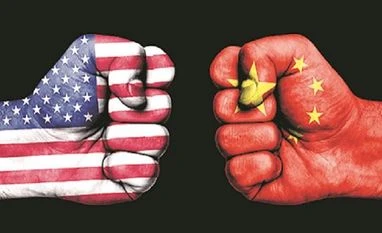 "Why the US cannot match China's industrial heft on EVs, batteries")










 Connect with us on WhatsApp