Dabur’s share price shed just 1 per cent on Wednesday, even as the company reported a worse-than-expected performance in the March 2020 quarter (Q4).
Supply chain disruptions saw Dabur’s domestic volumes plunge 14.6 per cent, its worst-ever and much lower than the expectations of up to 4 per cent decline. All the segments -- health care, home, and personal care and foods -- witnessed a double-digit fall in revenue. A soft showing by its international business didn’t help. Thus, the top line fell 12.3 per cent year-on-year to Rs 1,865.4 crore, again missing estimates of Rs 2,132 crore, even as revenues had grown by 4.5 per cent during January-February.
With the Ebitda margin down 260 basis points year-on-year (YoY) to 18.9 per cent, pre-tax profit (before exceptional items) plunged 22.5 per cent YoY to Rs 360.3 crore versus the expectations of Rs 454.5 crore. The over 17 per cent fall from the March highs in Dabur’s share price partly explains the Street’s muted reaction. Second, the results came a few minutes before the markets closed, giving investors little time to analyse the numbers.
What could have also helped is the potential gains investors are expecting from Dabur’s focus on the rural business. Comprising 45 per cent of Dabur’s revenue, rural sales could fare better in the current environment, a point its management also highlighted in Wednesday’s analyst call.
Shirish Pardeshi, analyst at Centrum Broking, says: “Dabur has been expanding its rural footprint since the past couple of years, which would help it grow faster and the overall business recovery.” The management believes that daily-wage labourers who have gone back to their villages from urban areas would help improve rural consumption habits. Pardeshi agrees and adds that the government’s efforts, such as increased allocation towards the MGNREGA would have a positive impact on rural consumption.
Dabur is already in the process to increase its rural reach further to 60,000 villages by FY21, from 50,000-55,000, and plans to accelerate its rural direct reach to 1.5 million outlets in next two-three years from 1.2 million. “What is also appreciable is Dabur continued its new product launches and expects their revenue contribution to double, which should support the stock,” says Dhaval Dama, analyst at Equirus.

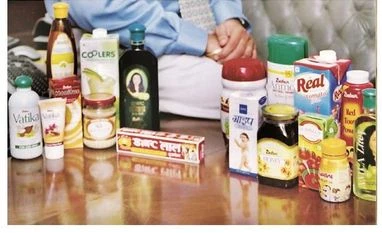 "Dabur posts weak show in March quarter; investors eye rural success")












 Connect with us on WhatsApp