Fertiliser firms: Subsidy cut could offset cost gain
The government's recent decision to cut subsidy rate of decontrolled fertilisers by 25-30% is not good news for these companies
Ujjval Jauhari Complex fertiliser manufacturing companies, having faced a bad monsoon for two years, have a new issue to handle. The government’s recent decision to cut the subsidy rate on decontrolled fertiliser by 25-30 per cent is not good news for these companies, as they have limited scope to raise prices, given the drought-like situation in many regions.
Further, while the nutrient-based fertiliser policy was to help promote proper use of all nutrients, urea still remains under price control. Complex fertilisers are, therefore, priced higher than urea and any more of this in the former could push farmers towards the latter.
Also, producers have high inventory due to the earlier bad monsoon. In fact, analysts were expecting producers to provide discounts to clear these. Inventory of NPK (nitrogen, phosphorous & potassium) fertiliser and DAP (di-ammonium phosphate) is elevated at about 4.5 million tonnes; annual demand is about 16 mt, say analysts. Hence, the move will adversely impact the NPK player’s profitability.
India Ratings says the latter drop will have a bearing on the credit profile of most of rated companies in the segment. Coromandel International is purely a complex fertiliser producer; Deepak Fertilisers, Gujarat State Fertilisers and Tata Chemicals produce this and urea.
Respite, however, comes from the fact that input prices are also down. Global prices for the key raw materials of ammonia, phosphoric acid and rock phosphate have fallen significantly. Nevertheless, international prices of DAP have fallen by more than than raw materials and this could have led the government to cut the subsidy.
Given the fall in international prices, analysts at IIFL say DAP importers should make better margins than manufacturers and might even be able to cut retail prices. Therefore, Coromandel and Tata Chemicals will probably continue to move away from DAP production, they add.
Positively, companies will benefit from lower working capital-led debt. A large part of debt is to meet working capital requirements, as major capacity expansions are generally over. Thus, while lower subsidies will mean lower receivables from the government, if past dues are cleared, it might actually lead to reduction in debt of the companies. Working capital pressures are likely near a peak and should ease in FY17, say analysts, as funds locked with the government in the form of subsidy dues stop rising. Analysts expect the government to repay prior period dues of about Rs 30,000 crore to the sector.
Overall, while the reduction in subsidy will have more impact on purely complex producers such as Coromandel, the benefit of lower international prices and debt reduction will also accrue. IIFL analysts say for Tata Chemicals, the benefit could be offset by higher working capital in urea due to introduction of the gas price pooling policy.
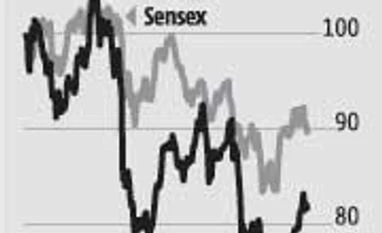
The silver lining is that if the coming monsoon is good, which experts believe is likely, there is potential for fertiliser stocks to deliver strong return. The government’s planned expenditure on improving irrigation and farmer income levels also keep the Street hopeful. The stock prices of most fertiliser companies, thereby, did not fall much after the subsidy cut announcement.

 "Fertiliser firms: Subsidy cut could offset cost gain")


 Connect with us on WhatsApp